Our Blog
Get plugged into the latest Be Strong Families news, initiatives, and blog articles — all central to creating transformative conversations that nurture the spirit of family, promote well-being and prevent violence.
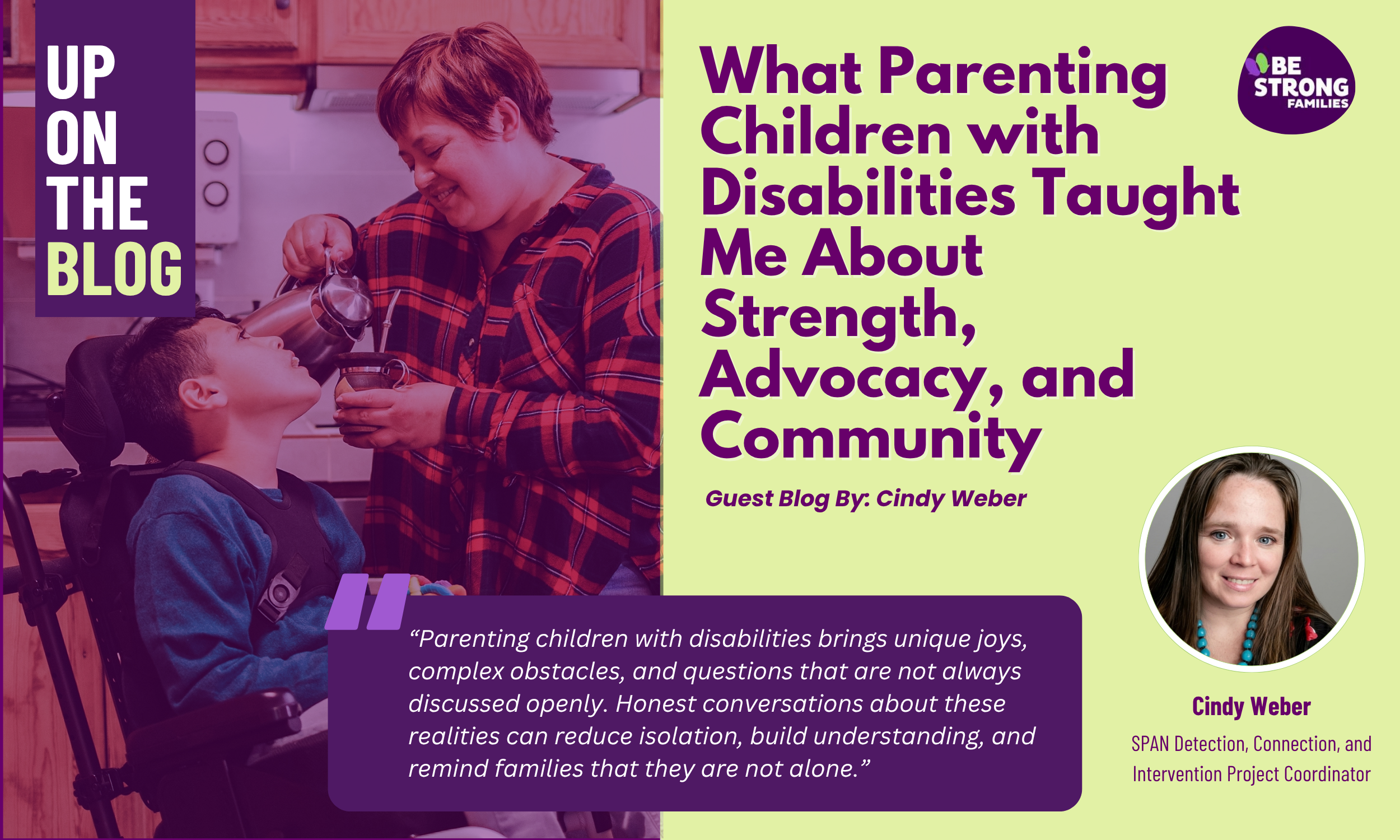
Parenting a child with disabilities means stepping into a world most people don't fully understand — one filled with medical appointments, unanswered questions, and moments of profound isolation. But it also means discovering a strength you never knew you had. This is my story of navigating two children's complex diagnoses, receiving my own, and finding the community that changed everything.
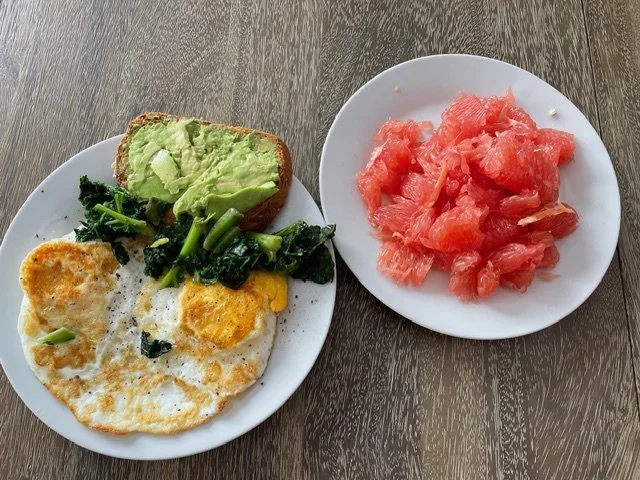
At some point, vegetables became controversial. Not medically controversial or scientifically controversial — culturally controversial. For millions of children, vegetables are now treated like something to negotiate, resist, or endure.
I saw it in miniature the other day.
It wasn’t even a bowl of greens. It was a few microgreens on a white bread sandwich. I was going slow.
He looked at it like I had betrayed him.
This was not a toddler.
This was a ten-year-old.
“I’m going to have to eat vegetables for the rest of my life?!”
Horrified. Dramatic. Entirely typical.
And revealing.
Because this wasn’t really about a child. It was about cultural training.
My aunt recently gave me a small, worn book printed in 1915. It is called The Runner’s Bible — a pocket collection of scripture “for people on the go.” She received it from her mother. Now it sits in my hands.
In this season of navigating cancer, I have started a quiet ritual. Each morning, I flip through and let a verse find me. It steadies my mind before the day accelerates. It connects me to her — and to the women before her — who endured what they were handed and tended what was theirs to tend.
Ask most parent leaders how they got started, and you’ll hear a familiar theme: someone saw something in them that they hadn’t yet seen in themselves.
A colleague. A program coordinator. Someone who said, simply — you should be here.
I had found a lump.
That discovery led to the mammogram and ultrasound where I asked the technician a question that most people are afraid to ask.
“Can you tell whether it’s cancer?”
She paused before answering. “Usually, yes.”
I asked how she could tell. She explained that certain features—spiculated (spiky) margins—often signal malignancy. Then she said something I will never forget: “I’d say this is a five.”
To everyone out there doing this work — the real, messy, beautiful, heavy work — this is for you.
Let me start with something simple:
I see you. And I get it.
For more than a decade at Be Strong Families, I’ve walked beside parents, caregivers, youth workers, social workers, and community leaders who carry so much and keep showing up anyway. I don’t just do this work because it matters. I do it because I need it, too.
And right now — as BSF steps more boldly into who we are becoming — I want to say this clearly:
We are building a movement.
A movement grounded in truth-telling, connection, and dignity — built one conversation at a time.
Cafés are conversations.
Our trainings are conversations.
And conversation is how relationships grow strong enough to carry real change.
More Blogs
What Parenting Children with Disabilities Taught Me About Strength, Advocacy, and Community
Parenting a child with disabilities means stepping into a world most people don't fully understand — one filled with medical appointments, unanswered questions, and moments of profound isolation. But it also means discovering a strength you never knew you had. This is my story of navigating two children's complex diagnoses, receiving my own, and finding the community that changed everything.