Our Blog
Get plugged into the latest Be Strong Families news, initiatives, and blog articles — all central to creating transformative conversations that nurture the spirit of family, promote well-being and prevent violence.
We often talk about children’s nutrition as if it lives entirely inside the home — a matter of parental knowledge, discipline, or willpower. But families are navigating a food landscape shaped by cost, time scarcity, marketing, transportation barriers, and unequal access to fresh food.
When healthy food costs more, takes longer to prepare, and is harder to find, the burden cannot rest on parents alone.
Family support organizations and early childhood centers are stepping up — not as substitutes for parents, but as partners in nutritional equity.
Across communities, promising practices are emerging.
Whenever someone advocates for feeding children real, whole food, a familiar objection appears:
“That’s elitist. Poor families can’t afford that.”
It sounds compassionate. But look closer, and it reveals something uncomfortable: the assumption that low-income families — often disproportionately families of color — cannot prioritize health.
That assumption lowers expectations. It removes agency. And unintentionally, it reinforces inequity.
This is for the social workers who probably never knew how much their small decisions shaped a life.
March is Social Work Month, and every year I see posts recognizing the dedication, compassion, and resilience of social workers.
This year, I wanted to say thank you a little differently.
Not very long ago, cooking was not a hobby.
It was a basic human skill.
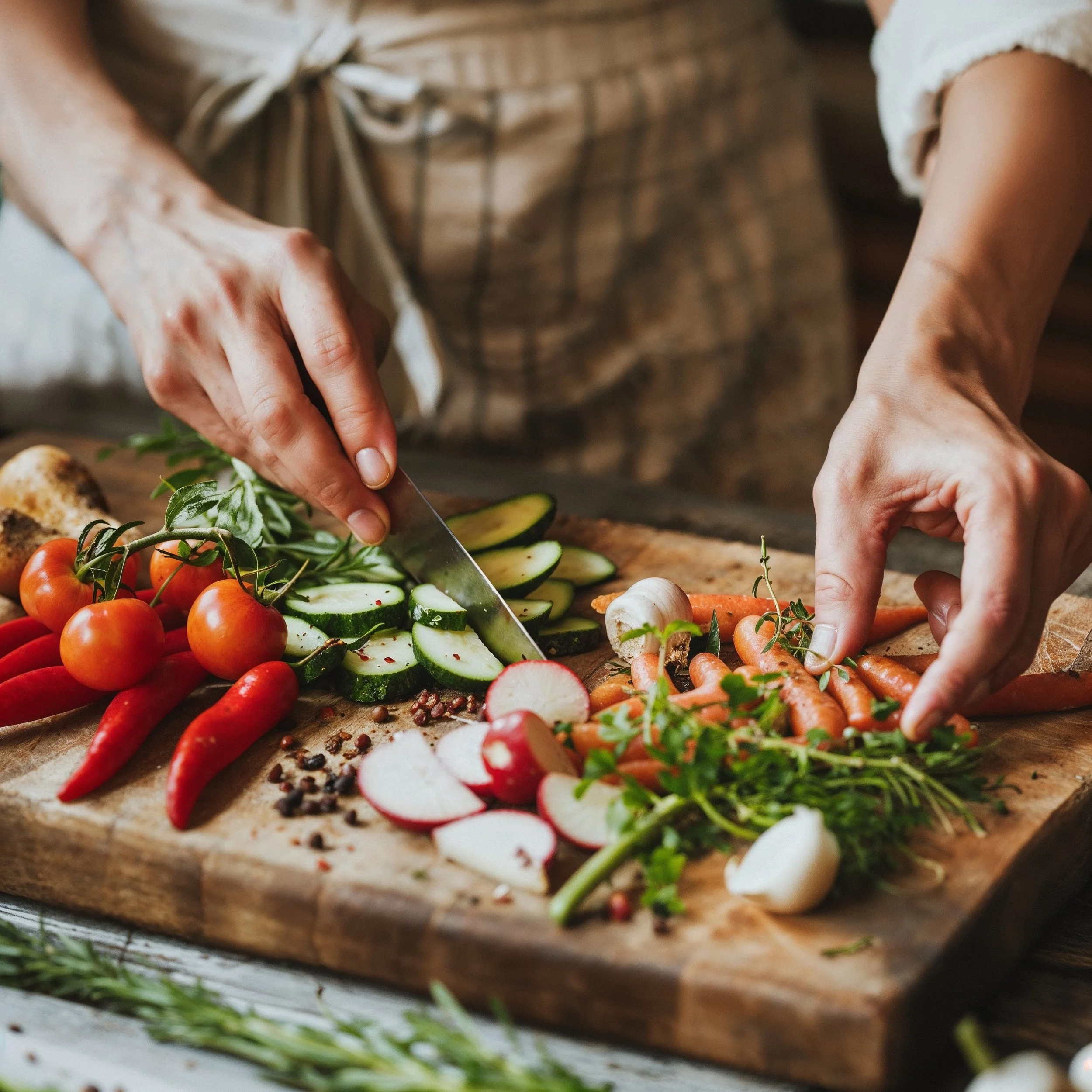
Every household knew how to take raw ingredients—grains, vegetables, beans, meat, herbs—and transform them into food that could sustain life. Cooking was daily maintenance for the body, much like tending a fire or mending clothing.
Somewhere along the way, we lost that art.
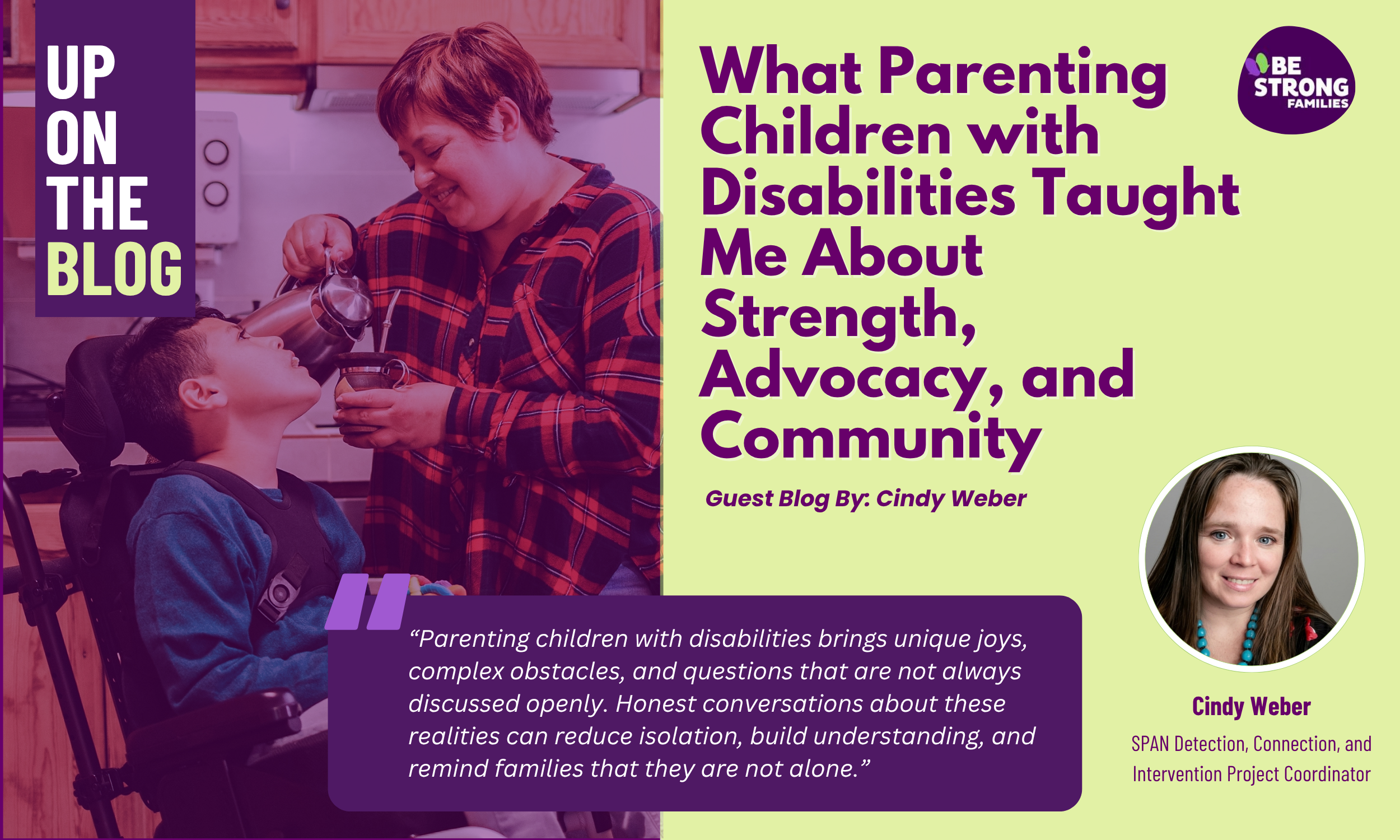
Parenting a child with disabilities means stepping into a world most people don't fully understand — one filled with medical appointments, unanswered questions, and moments of profound isolation. But it also means discovering a strength you never knew you had. This is my story of navigating two children's complex diagnoses, receiving my own, and finding the community that changed everything.
At some point, vegetables became controversial. Not medically controversial or scientifically controversial — culturally controversial. For millions of children, vegetables are now treated like something to negotiate, resist, or endure.
I saw it in miniature the other day.
It wasn’t even a bowl of greens. It was a few microgreens on a white bread sandwich. I was going slow.
He looked at it like I had betrayed him.
This was not a toddler.
This was a ten-year-old.
“I’m going to have to eat vegetables for the rest of my life?!”
Horrified. Dramatic. Entirely typical.
And revealing.
Because this wasn’t really about a child. It was about cultural training.
More Blogs
3rd Annual Show Your Love Campaign
It’s our 3rd Annual Show Your Love Campaign. Join us in sharing our webinars with the world and keeping theming free through 2023.