
Our Blog
Join us in conversation about the topics we’re thinking about. How do you see it? What’s on your mind lately?
Meet us here to talk about all things central to creating transformative conversations, things that nurture the spirit of family, promote well-being and prevent violence.





















Words from our CEO
Get more sent to your inbox:
The Conversations We Need: An every-other-week LinkedIn newsletter offering practical guidance on having a variety of different meaningful conversations that strengthen families and communities.
Parenting in the Age of AI: A bi-weekly LinkedIn newsletter guide to helping families thrive in a tech-driven world, from digital literacy to navigating the benefits and challenges of AI with family members of all ages.
Search Our Blog
Sort by Category
The Latest
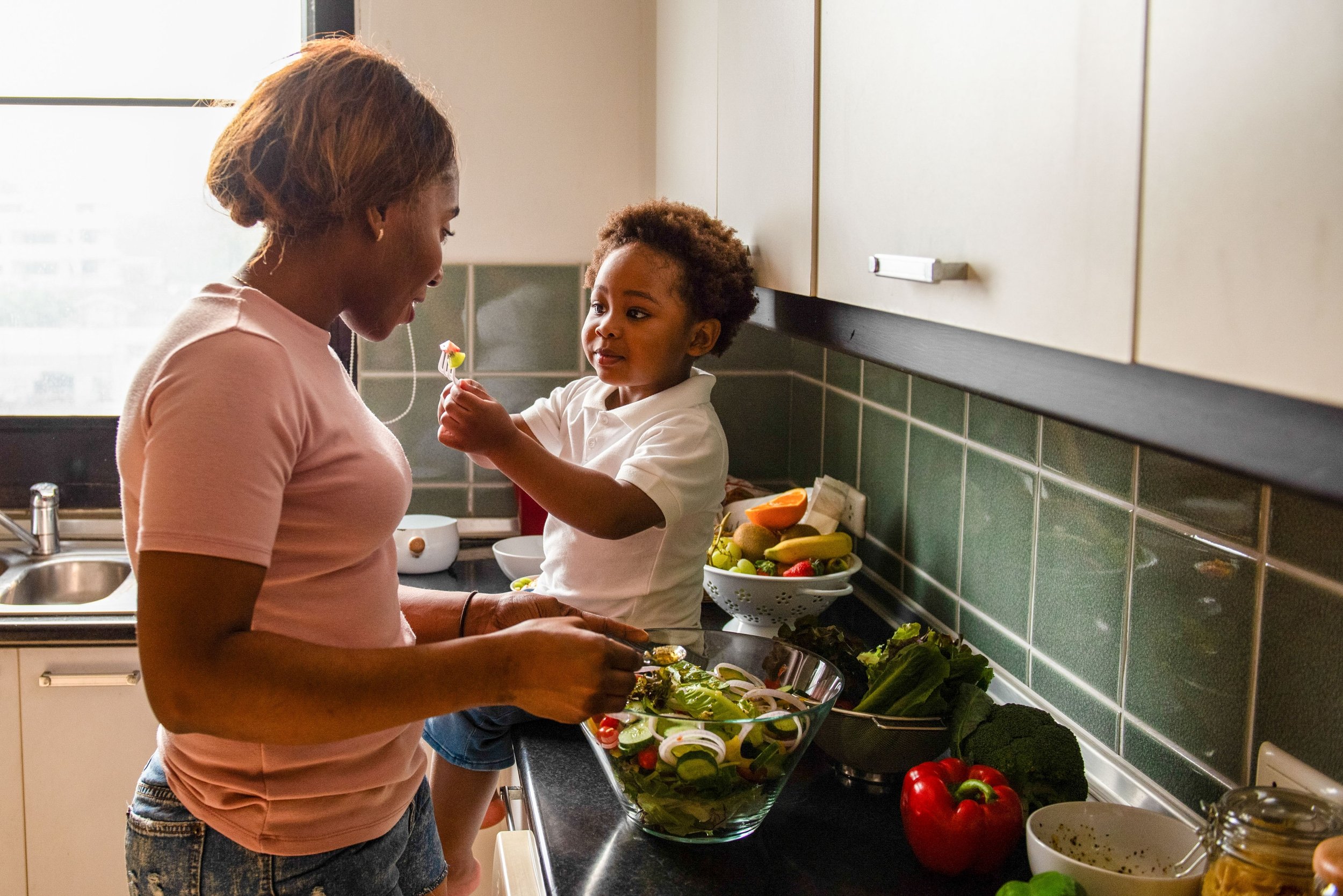
Every Snack (or Meal) Is Curriculum in an Early Childhood or Family Support Center
We invest in books because language matters. We invest in play because children learn through exploration. So why do we treat food as an afterthought? BSF CEO Kathryn Leigh Goetz makes the case that every snack served in an early childhood or family support center is curriculum — and that nourishment belongs at the center of our mission.
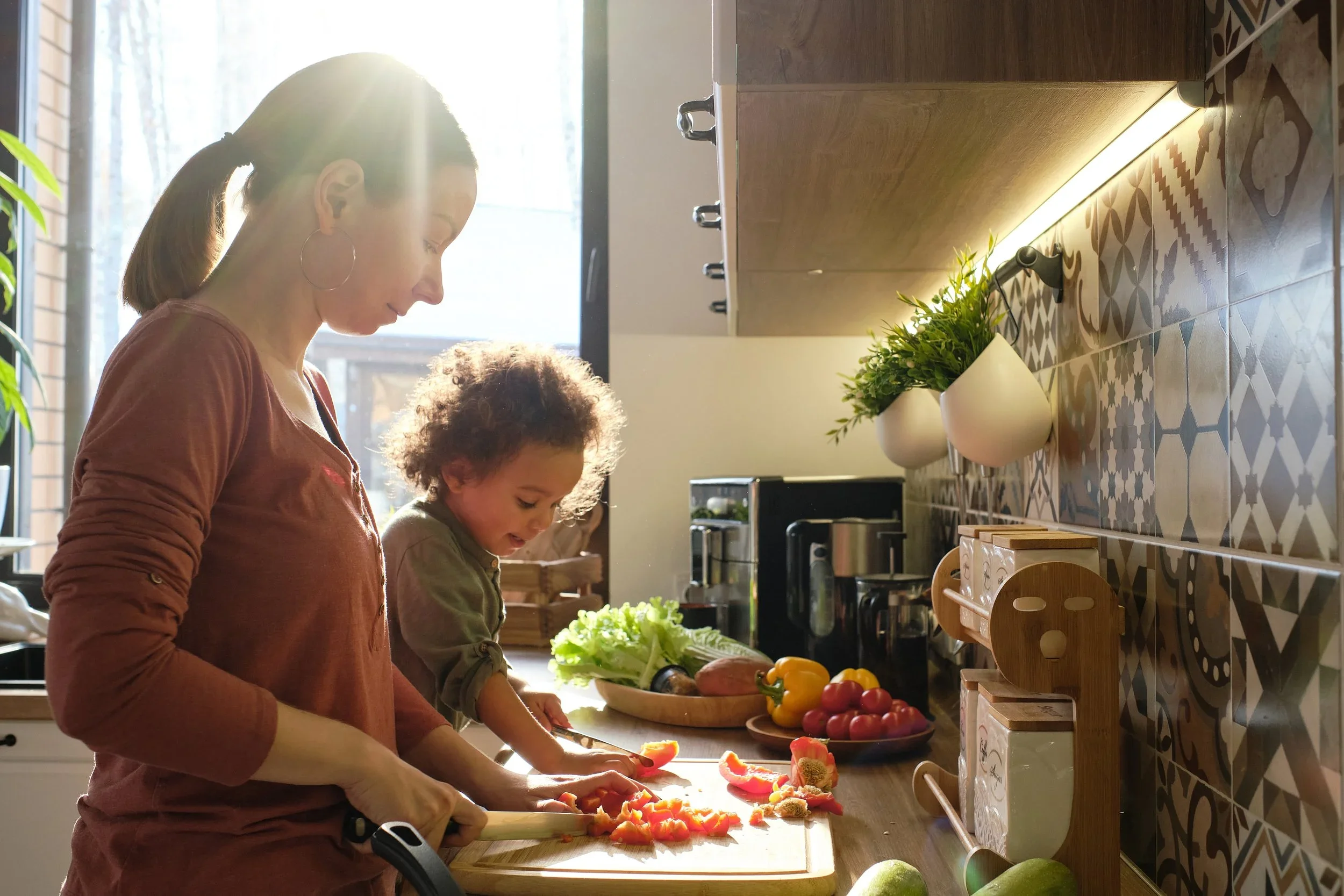
Parenting & Nutrition: It’s Not Just on Parents — What Family Support and Early Childhood Centers Can Do
When healthy food costs more, takes longer to prepare, and is harder to find, the burden can't rest on parents alone. We explore what family support organizations and early childhood centers are doing to step up as partners in nutritional equity, from two-generation cooking classes to school meal advocacy.

Real Food Isn’t Elitist — It’s About Equity, Agency, and What We Believe Families Deserve
"Real food is elitist" sounds compassionate, but look closer. BSF CEO Kathryn Leigh Goetz challenges the assumption that low-income families can't prioritize nourishment, and makes the case that true equity means both upgrading systems and honoring every family's agency.
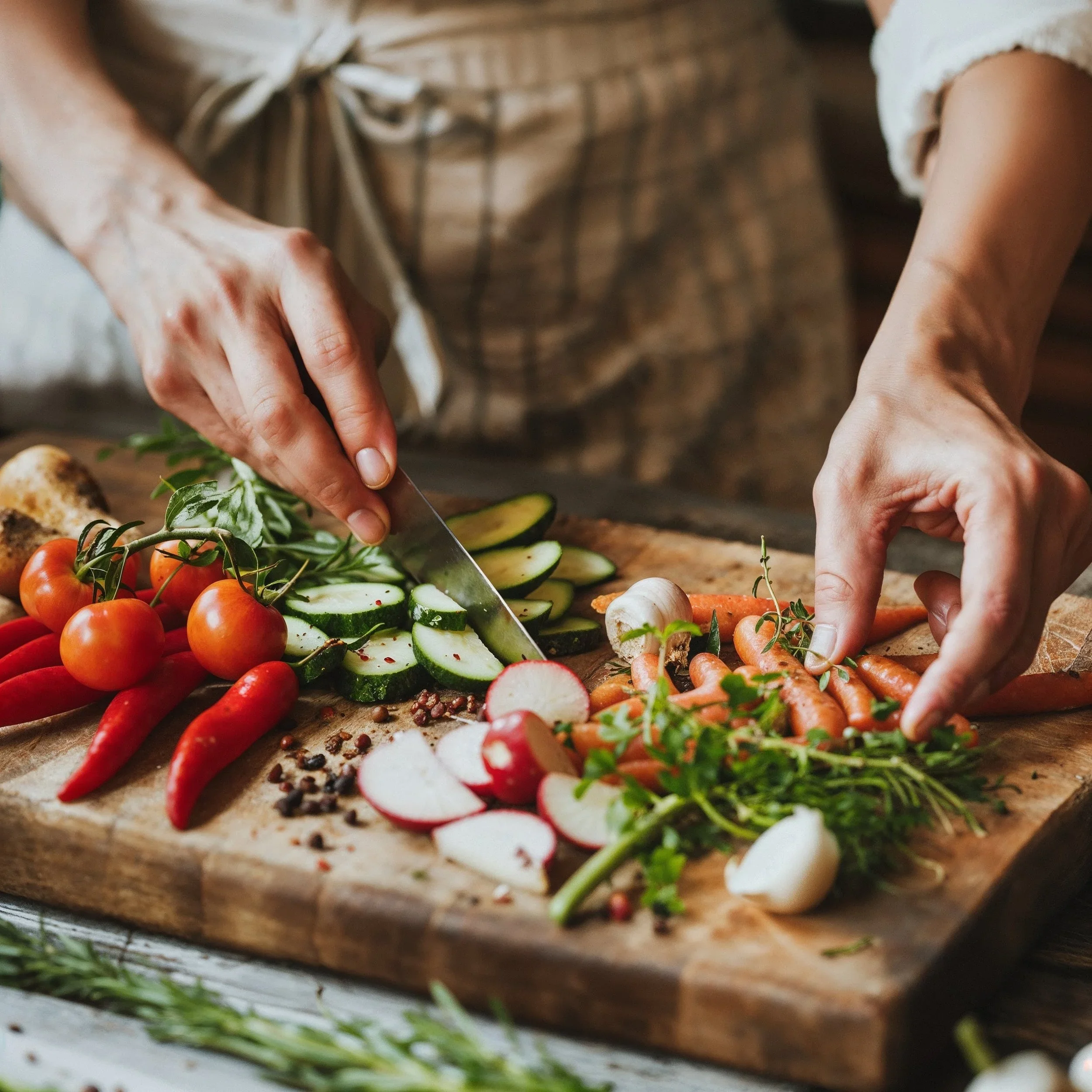
The Lost Art of Cooking — and Why it Matters More Than Ever
Not long ago, cooking wasn’t a hobby; it was a basic human skill. BSF CEO Kathryn Leigh Goetz traces how we lost that art, what replaced it, and why reclaiming the kitchen may be one of the most important things families can do for their children's health and future.

When Did Vegetables Become So Threatening?
"I'm going to have to eat vegetables for the rest of my life?!" A ten-year-old's horror at a few microgreens on a sandwich turns out to be a window into how the food industry captured children's palates, and what it will take to win them back.
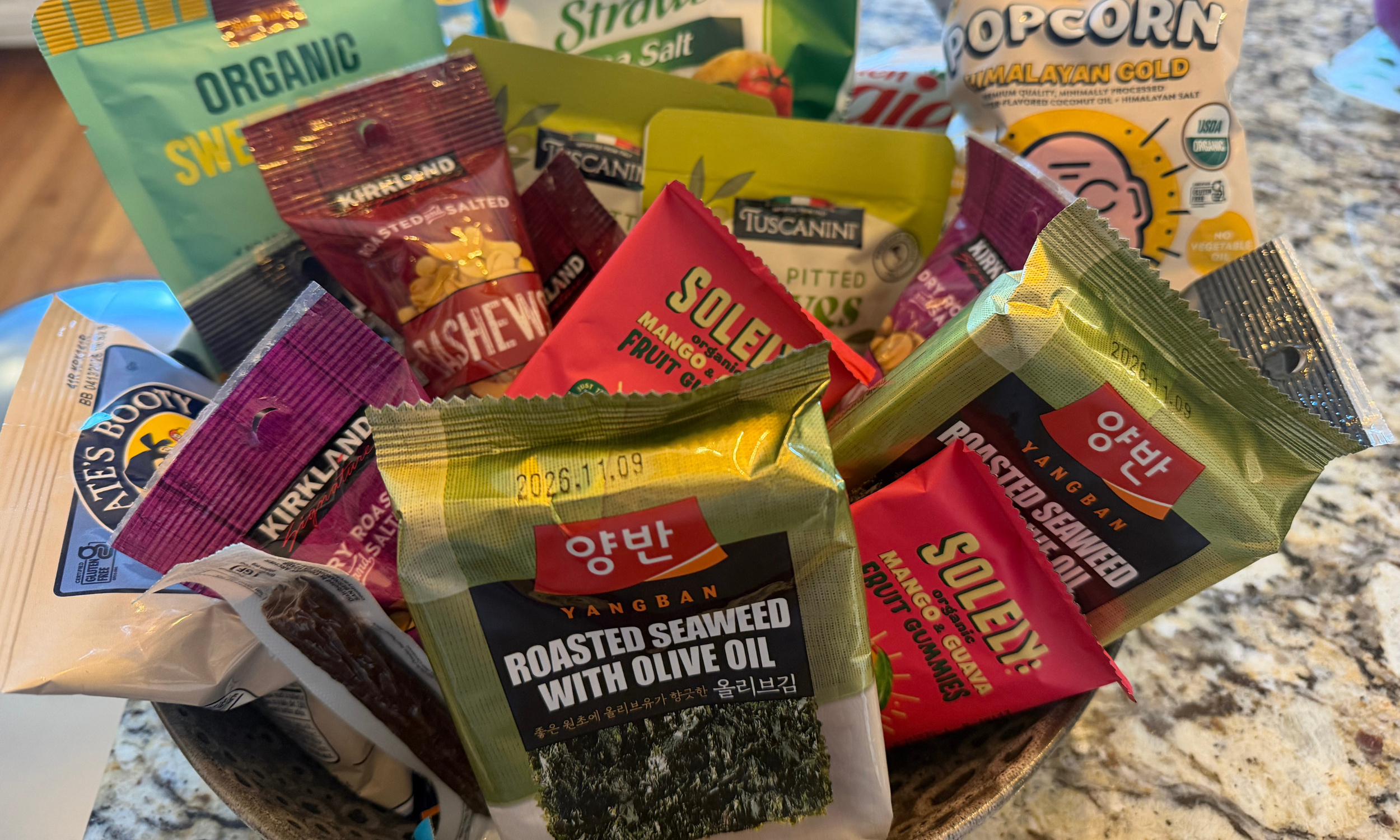
Tending the House: Connecting Snacks to our Children’s Future
The most intimate house we inhabit is the body and what we feed our children shapes that house daily. BSF CEO Kathryn Leigh Goetz draws on an inherited pocket Bible, a cancer diagnosis, and modern food science to make the case that snacks are not just treats. They are small, repeated acts of protection.
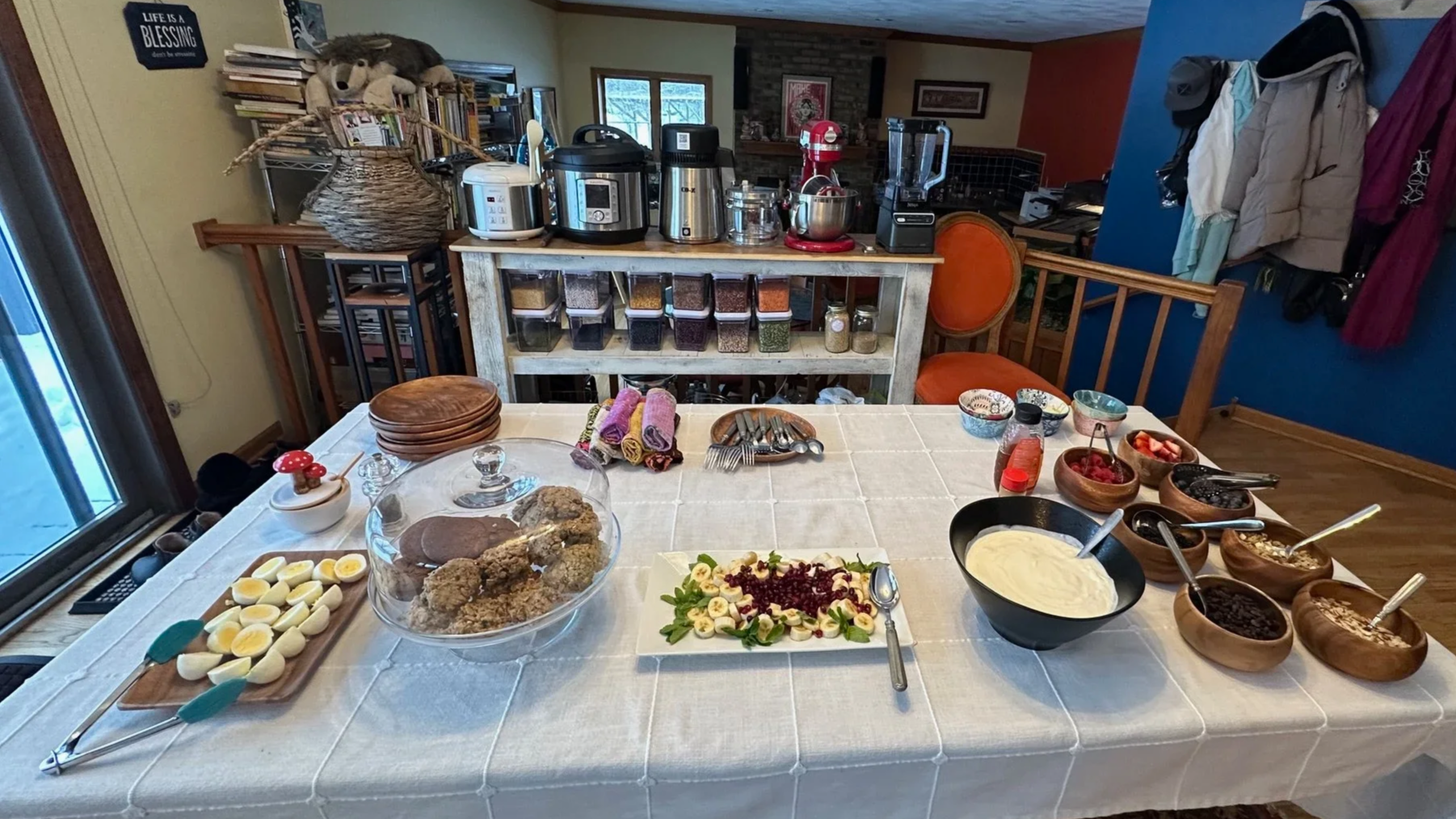
When Illness Touches the Family: A Gentle Wake-Up Call About Food
When BSF CEO Kathryn Leigh Goetz received a breast cancer diagnosis, the principles she'd spent decades teaching families became deeply personal. Here, she reflects on what a serious illness reveals about how we nourish ourselves and why small, loving changes around the kitchen table can be among the most powerful acts of resilience a family can take.

Let’s Get Physical
Physical Vitality is the health and well-being of your body. It’s the Vitality Domain that focuses on how you want your body to look and feel. It also addresses your attitudes and habits regarding nutrition, exercise, sleep and mindfulness. What really motivates us to take care of our bodies physically? What tips or tools assist us with staying fit? And how have our bodies changed over time?
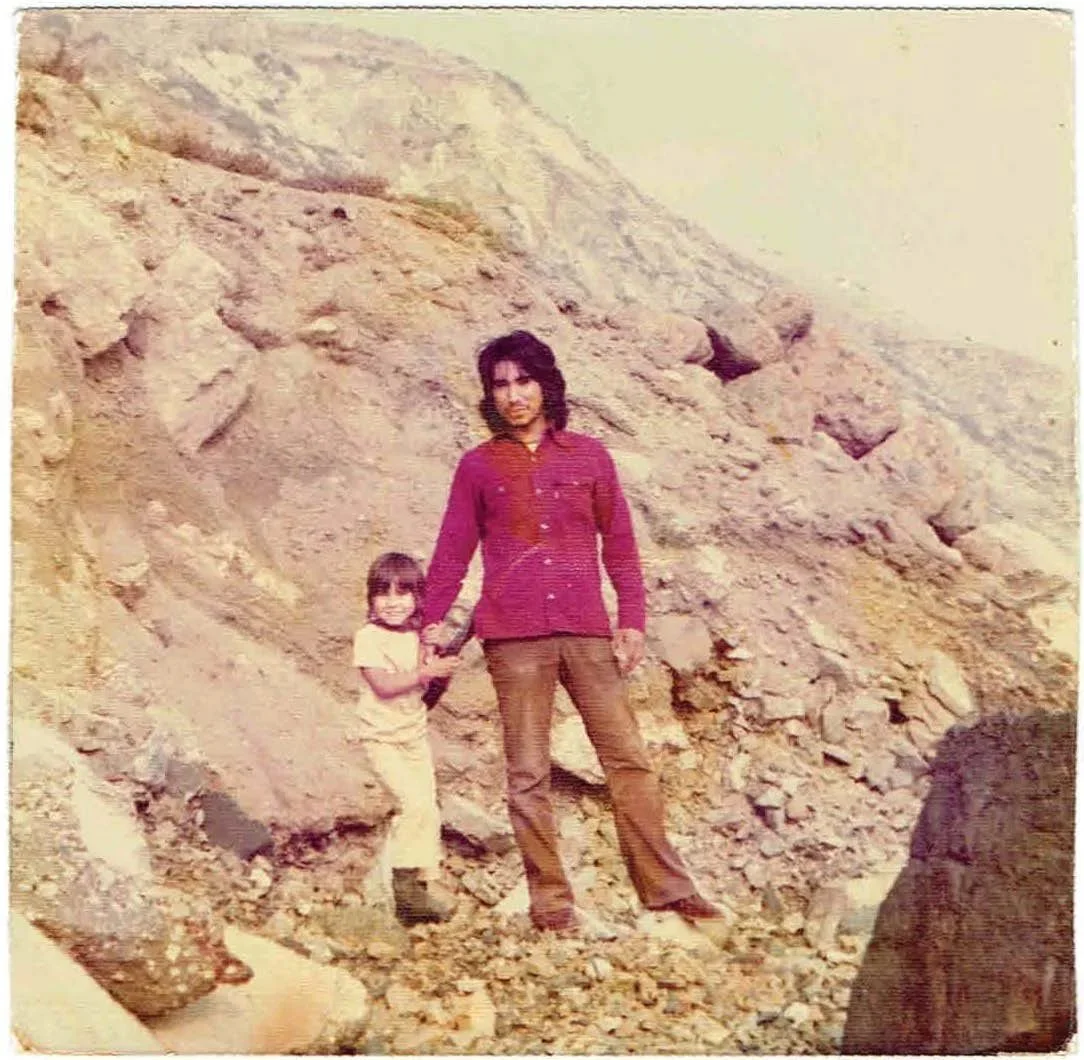
Parenting Advice Remix: Balancing the Experts with Experience
A clickbait headline about what "successful" parents do differently turned out to reveal something more important: whose families research actually centers, and whose it leaves out. Alexis Moreno reflects on growing up in a lower-income household and what it really looks like to build a strong family without the assumed resources.