Wales Leads with Parent Cafés: Inside BSF's First International Affiliate
ARTICLE AT A GLANCE
In Wales, nearly half of all children under five will have contact with the social care system before they start school. A group of frustrated professionals saw families sidelined by the system and knew parents deserved better.
What started as a small coalition in Neath Port Talbot in 2020 has grown into PAN Cymru, Be Strong Families' first international affiliate. The heart of the movement is the parents who joined, some in the middle of their own child protection journeys. They are now finding their voices, training other parents, and lifting up their communities.
PAN Cymru brought the Parent Café model to Wales, trained parents as leaders, and was awarded £133,600 in Welsh Government funding to bring Parent Cafés nationwide. This is the story of how they did it, what it means for families in Wales, and how it might look in your community.
ALONE AT THE TABLE
In one child protection meeting after another, year after year, Fiona MacLeod saw the same power imbalance. Parents — usually alone, sometimes with their mum for support — in a room full of professionals who have the weight of their organizations behind them. With 45% of Welsh children under five touched by the social care system, the highest rate in the UK, thousands of families face exactly this kind of scrutiny.
By 2020, Fiona had been doing this work long enough to see the uphill struggle faced by practitioners seeking to work in partnership with parents, as they had envisioned when they entered the profession.
Social workers were spending more time managing procedures than collaborating with parents. PLO procedures — the Public Law Outline, or pre-court investigation process for child protection proceedings — that used to take two years got compressed to six months. What happens if you're a parent waiting for a substance use treatment program, but the waitlist is six months long? The process rolls on regardless.
It was deeply unfair and troubling, not to mention ineffective. And Fiona wasn't the only one who felt that way.
A SEAT AT THE TABLE
Kayleigh Chatfield could have told her the same thing from the other side of that table.
A single mum to seven children in Wales, Kayleigh had recently left a fourteen-year relationship marked by domestic violence when she first found PAN. Two of her sons were in care. She had almost no support network. Her former partner had spent years telling her that if she left, she'd lose her kids. When she finally did leave, it felt like he was being proven right.
"I think I had one friend by the time everything disappeared," she says. What she needed was someone who understood. Not a professional with a caseload, but another parent.
IT STARTS WITH A FEW
Parents need support from other parents. Kayleigh knew it, and Fiona MacLeod knew it too — and she wouldn't wait any longer for someone else to fix it.
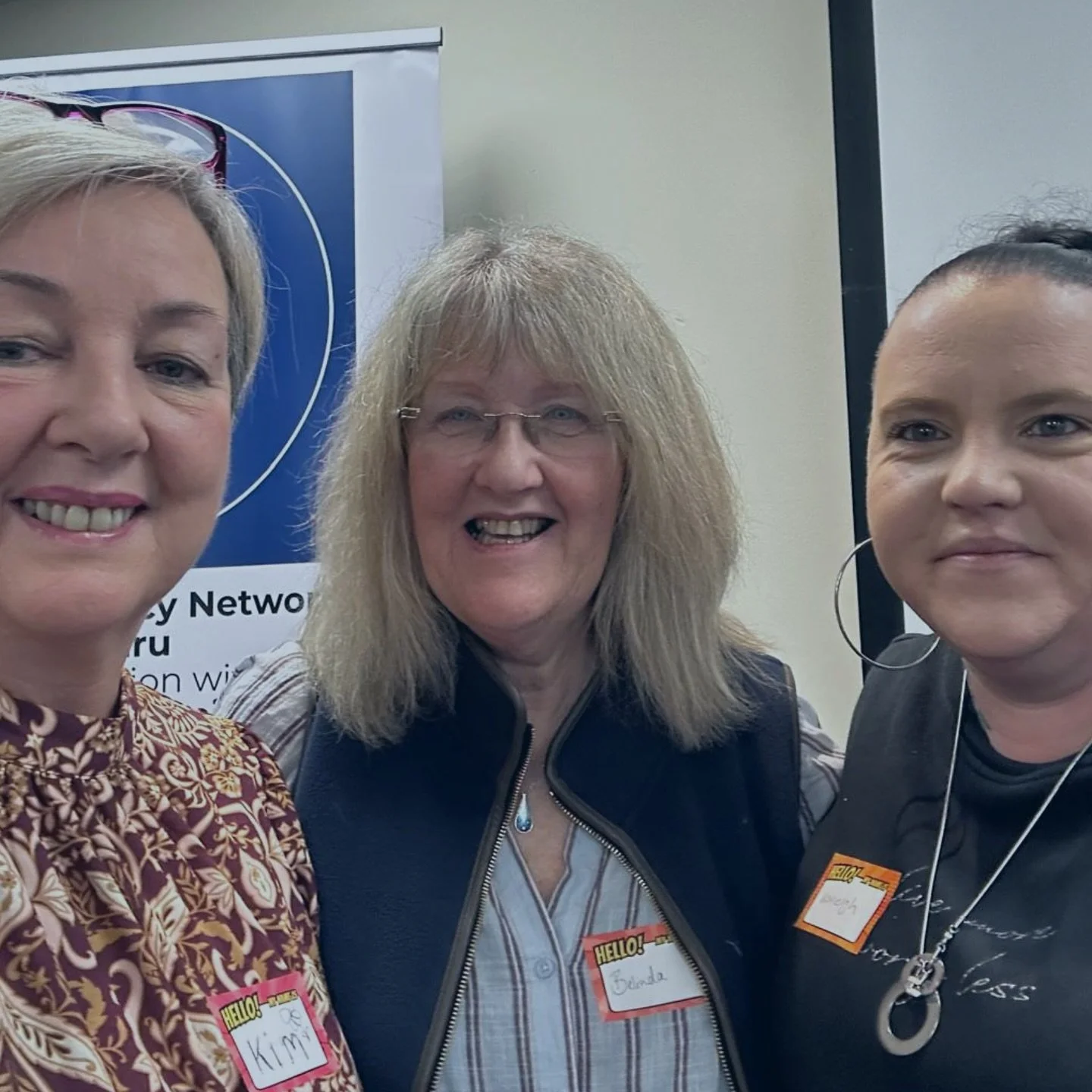
To build an evidence base that would force practice change, Fiona first wanted to do research. She was galvanizing support, which came easily from key leaders in her agency at Neath Port Talbot council: Keri Warren, the head of children's services, and a senior officer, Chris Frey Davies. Colleague Kim James was quickly recruited to the idea with her background in family support, passion for parental advocacy, and expertise in domestic abuse, trauma, and recovery.
Fiona also connected with Belinda Hannah, Health Visitor and Infant Feeding Coordinator, who had just published a paper on mothers who had lost children to care and what professionals could do to support them. They reconnected at a Born Into Care conference about newborns and infants in child protection — two people circling the same problem from different angles.
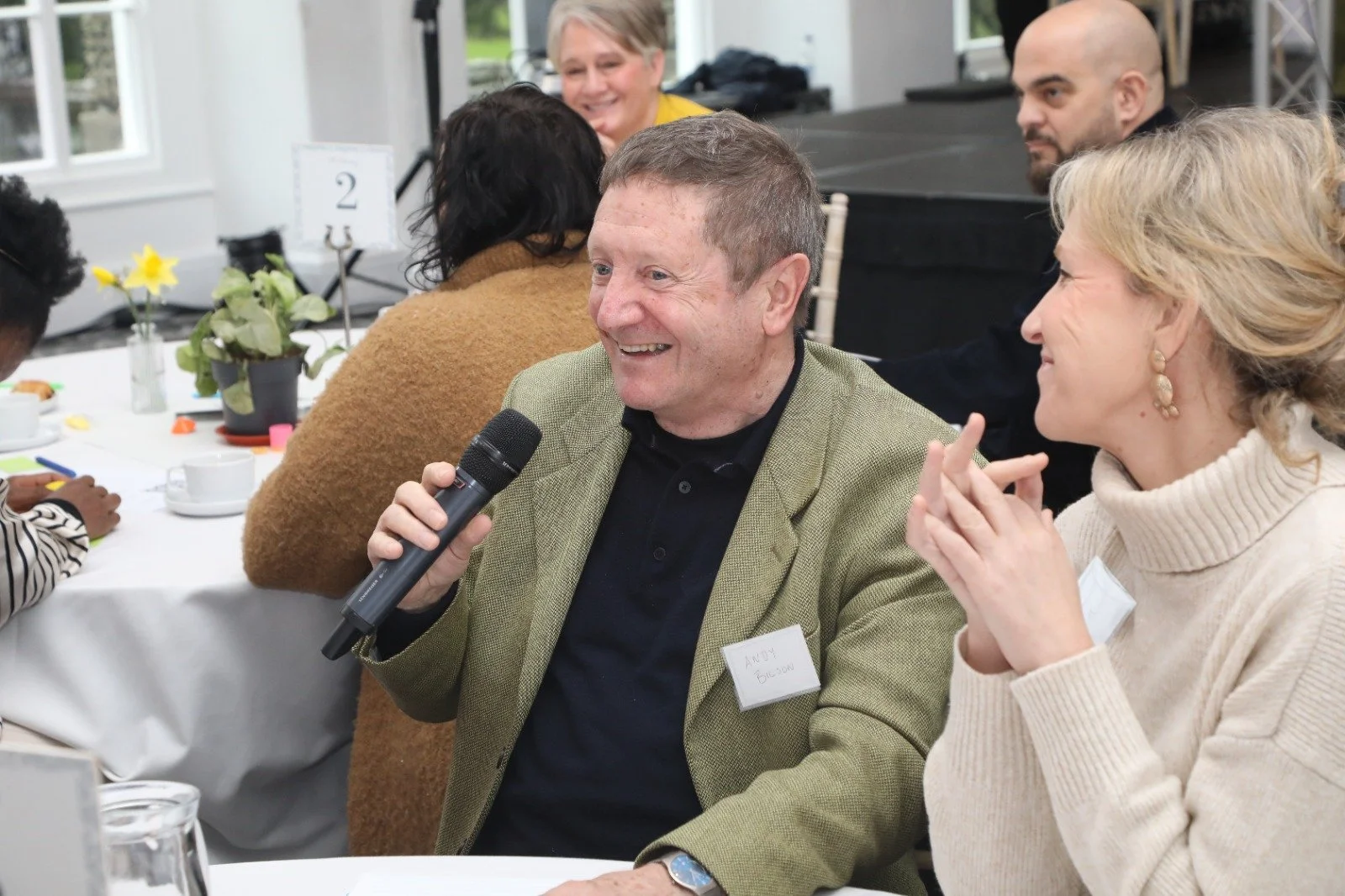
Ian Rees, a Consultant Social Worker with roots in human rights work, brought academic rigor and a gift for finding the right connections at the right time. He aligned with Fiona, Kim, and Belinda, and introduced Fiona to Professor Andy Bilson, a researcher whose own work focused on the overemphasis of risk in child protection and the increasing separation of children from families.
Fiona proposed an academic research project to Swansea University to study the parent experience in child protective services and the lack of peer support, but wasn’t granted ethical approval. Parents talking to each other in that particular manner, they said, was a breach of confidentiality. Bilson's advice: don't wait for the research. Just move forward.
So instead of waiting for outside validation of a problem they already knew existed, they did exactly that.
"I thought we needed to have research, but we didn't. You could just get it going," Fiona said.
The first parent to be involved was Sana, who went with Fiona to a conference and met others who had walked the same path. Swansea council agreed to take part, and Anna Collins, a like-minded social worker, came on board for a period — bringing with her Gaia Davies, a parent with lived experience of statutory social services. The ranks were beginning to swell.
Parents and professionals like Gareth, Kayleigh, Stephen, Annie, and Fiona Maxwell kept finding their way in, drawn by the same conviction: parents weren't being blamed, they were being heard. Sian Erickson, who brought a background in health, training, and psychotherapy and a keen interest in parent peer support, joined the group later. With supportive leadership at Neath Port Talbot council, Fiona MacLeod was placed on loan — becoming the first staff member dedicated to this budding network.
From this small circle grew a steering committee of professionals — Fiona, Belinda, Kim, Anna, and Aaron Salter, a specialist worker with fathers — alongside parents Gaia, Stephen, Gareth, and Kayleigh, all of whom saw the same gap and decided to do something about it. In March of 2020, with minimal funding, a simple structure, and in the early days of a global pandemic, no less, the Parent Advocacy Network, PAN West Glamorgan, was born.
THE JEWEL IN THE CROWN
As a young organization, PAN began doing advocacy work for families — hosting parent groups, presenting at conferences, building something without yet knowing its full shape. Fiona was reading through an international review of parent peer advocacy when she came across a reference to a Chicago-based organization called Be Strong Families, and a model called the Parent Café.
Be Strong Families (BSF) had spent decades developing and refining Parent Cafés – a structured, small-group conversation model rigorously designed by parents, for parents, rooted in the five Strengthening Families Protective Factors. With evaluation data from over 32,000 participating parents demonstrating overwhelming benefits, and a track record of successful implementation across vastly different communities throughout the United States, it was clear that the model worked, and it was built to travel.
One of the things PAN committed to from the beginning was having parents in real leadership positions — on the board, with influence, not just for photo ops. Be Strong Families is built the same way.
Aligned in values and practice, the partnership between PAN and Be Strong Families was a natural fit. Fiona knew immediately that Parent Cafés would be "the jewel in the crown" of PAN's peer-to-peer support work.
Robyn Harvey, BSF's Director of Training, was among those who traveled to Wales for the first training. "Seeing the Café model take root in Wales was a milestone moment for Be Strong Families," she says. "We already knew Cafés could stretch across cultures and communities — from Kenya to Australia to many different social divides here in the United States. But Wales reminded us again that the heart of this model is universal. When people are invited into honest conversation, connection, and shared humanity, the Café magic translates."
CAFÉS TRANSLATE
When Kayleigh sat around that first Parent Café table and told her story, she reacted to the way many parents do: with a sense of hope and connection she’d never felt before.
"I met people who were in similar situations. And I didn't feel like such a failure as a mum, or as a parent, or as a person."
Fiona Maxwell, another parent leader who found PAN through her son's disability worker, describes it more simply: "PAN helps me get away from being a mum and just be Fiona for the day."
Both women say it made them better parents.
"I've definitely got a lot more patience,” shared Fiona. In the spirit of peer support, she adds, "And I've seen Kayleigh go through some battles. She's a different woman altogether."
Kayleigh puts her transformation this way: "We give people the chance to stand and grow. We give people a chance to talk about life and what they've been through. What I've found with my journey is talking about it and reliving the hardest times in my life — it healed me in a way. That's what made me stronger and the person I am today."
THE RIPPLE EFFECT
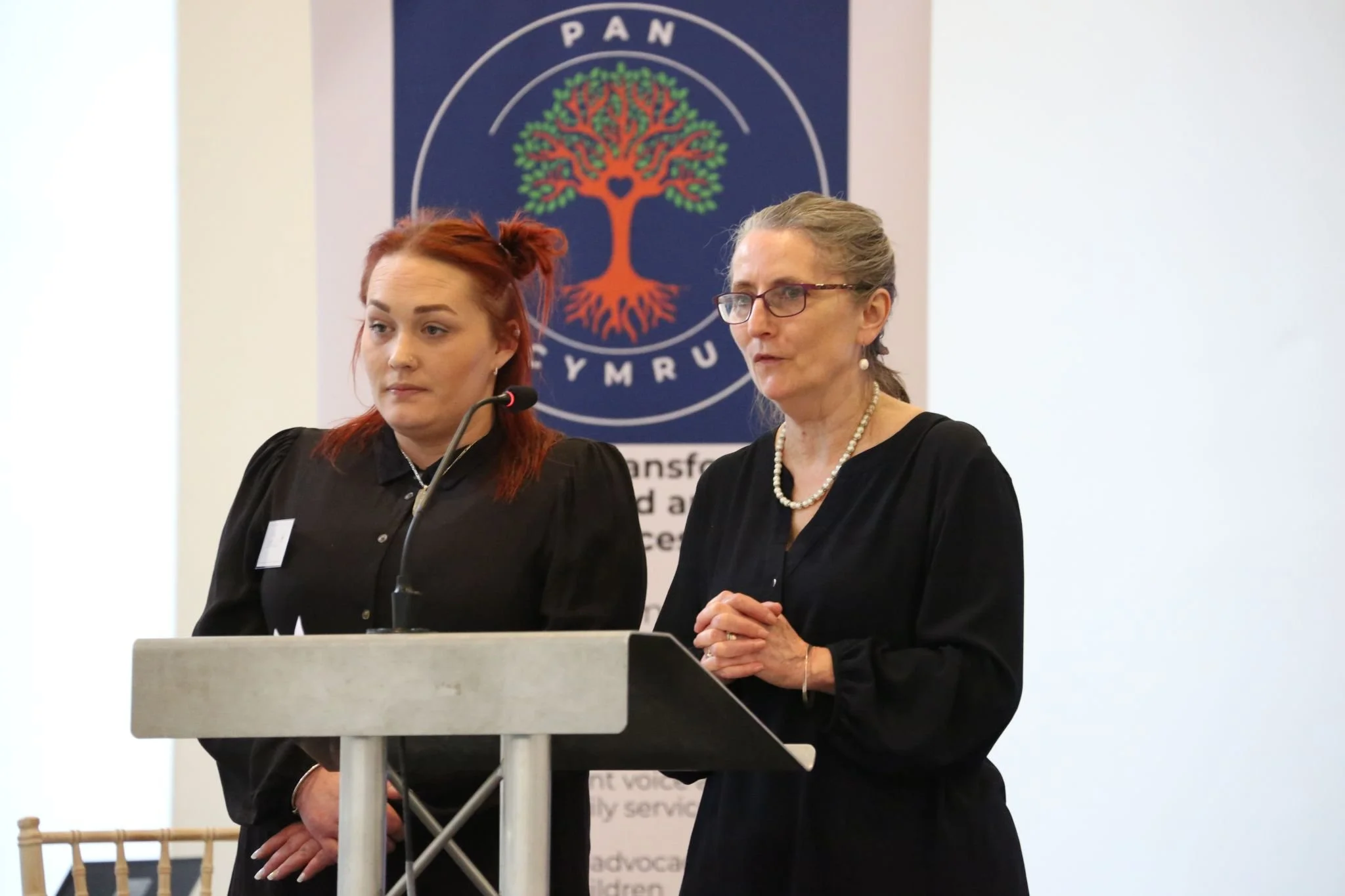
From Café participants to Café hosts and now Café trainers, Gaia, Kayleigh, Gareth, and Annie are training other parents to become Parent Café hosts. Not only have they gained confidence and built lifelong support networks for themselves, but they get to help other parents do the same.
On welcoming parents to PAN and to the Parent Cafés, Fiona Maxwell says: “And with the new ones, it’s absolutely brilliant to see the change in people. That’s been my experience – seeing people come into PAN on a low and through the months walking out on a high and really changing their life or their thought pattern or even just having something to look forward to.”
The biggest thing Kayleigh found was her voice. "I had my eldest home last year in June. I've questioned now whether I can have my second home. I'm not afraid to ask them questions anymore. PAN gave me the platform for my voice to be heard."
This fits squarely with PAN's core value of reconfiguring the power dynamics in the helping industry to address poverty and social inequality. The Parent Café model offers opportunities to develop and employ parents — building their leadership skills, networks, sense of agency, and earning potential.
As a leader and longest-standing parent member of PAN, Gaia Davies provides inspiration to parents and professionals alike. She says, “Parent leadership is so important because it recognises parents as experts in their own lives. In Parent Cafés, I see this come to life in really powerful ways. When parents feel empowered, they’re more engaged. Not just in their own families but in schools, community spaces, etc. That leads to stronger relationships and ultimately better outcomes for children and families.”
BE STRONG FAMILIES, WORLDWIDE
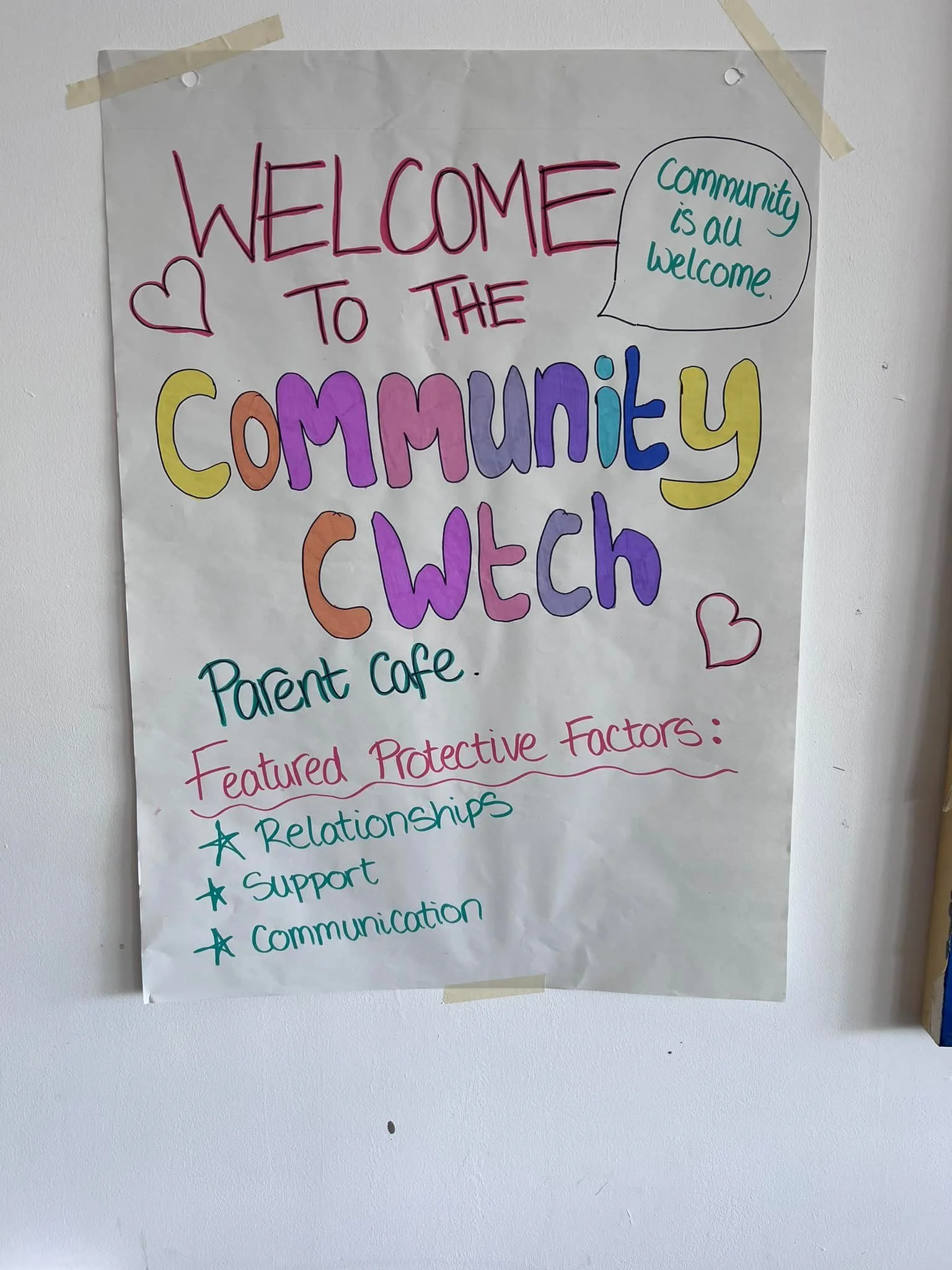
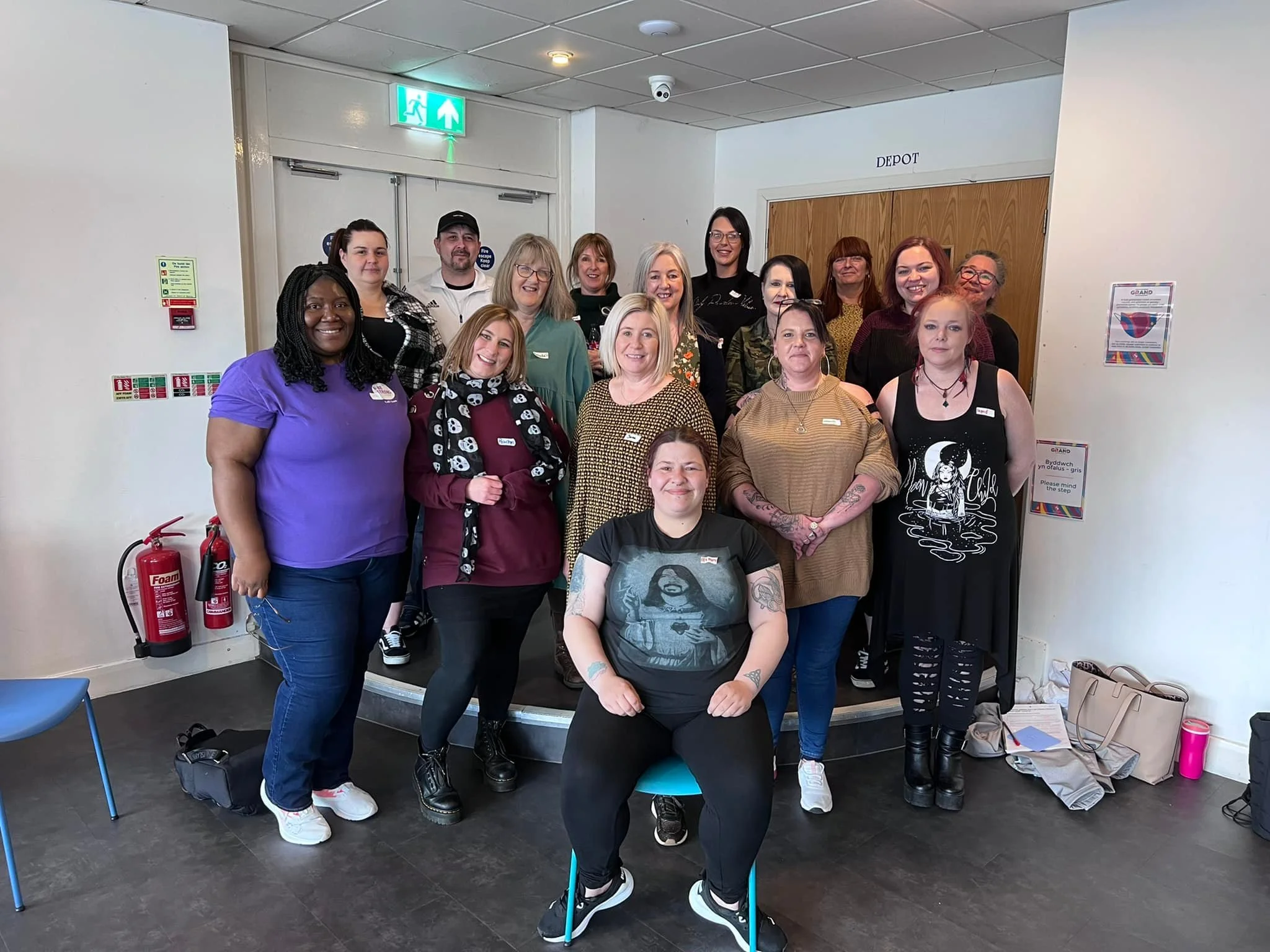
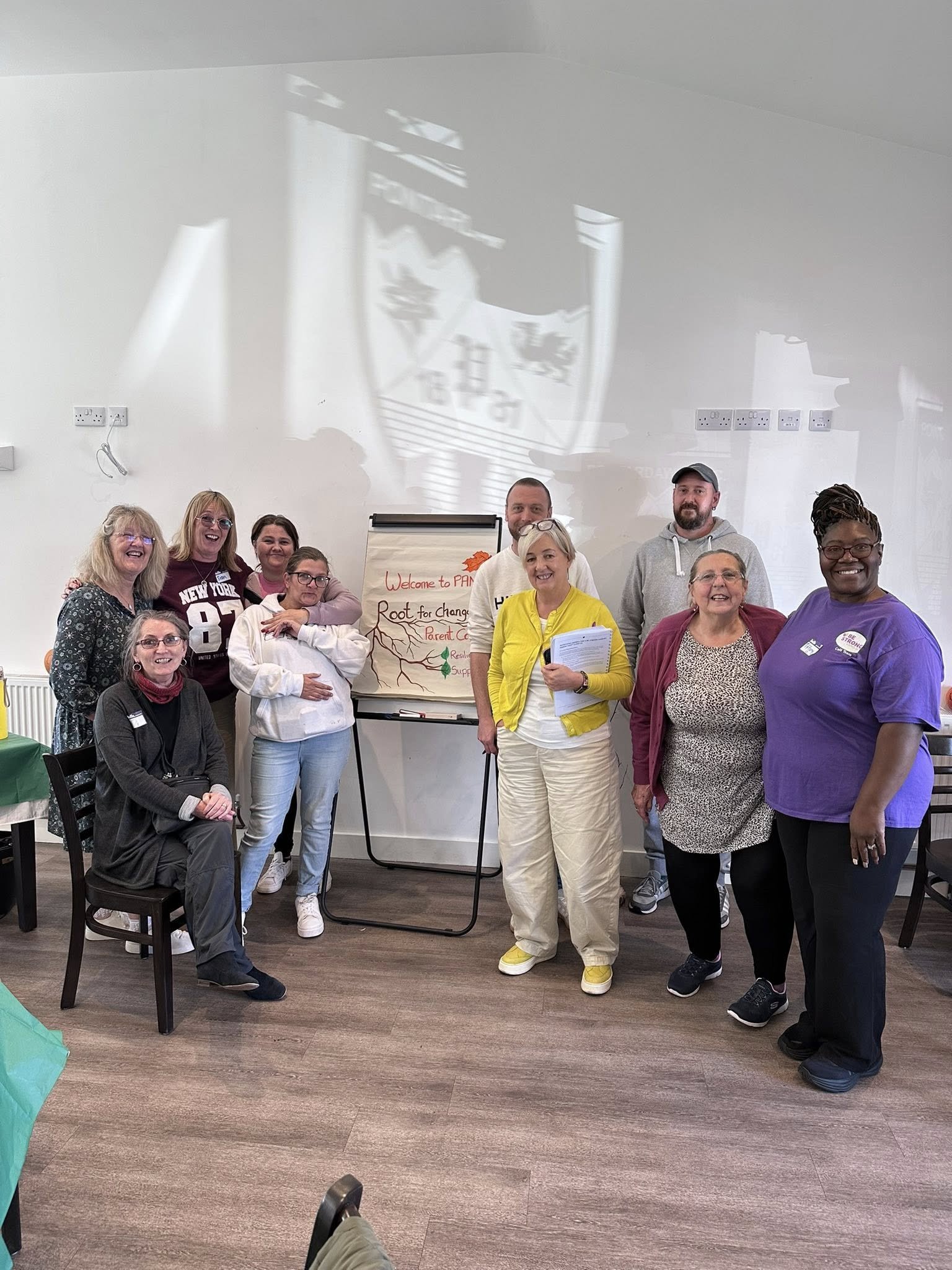
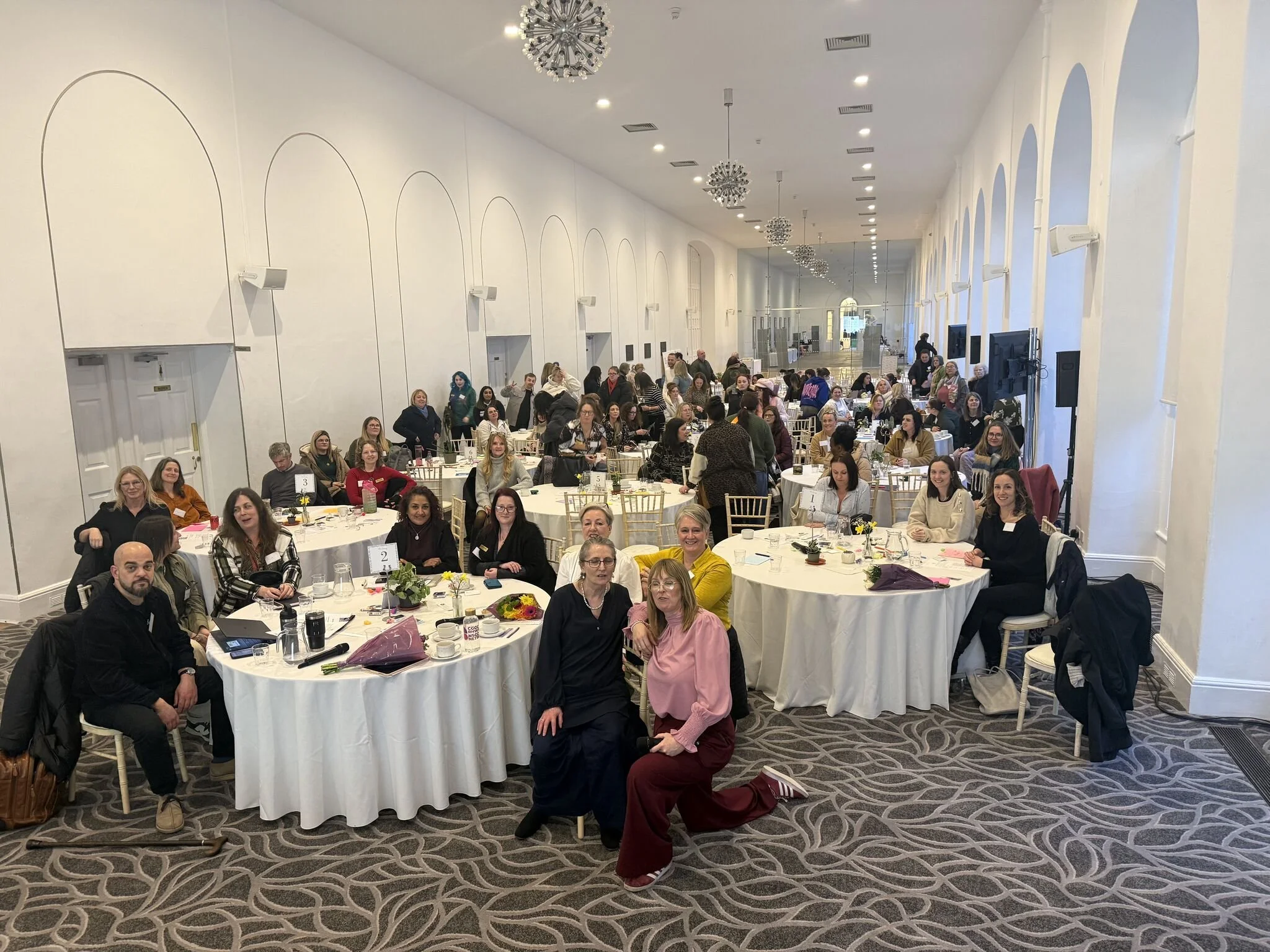
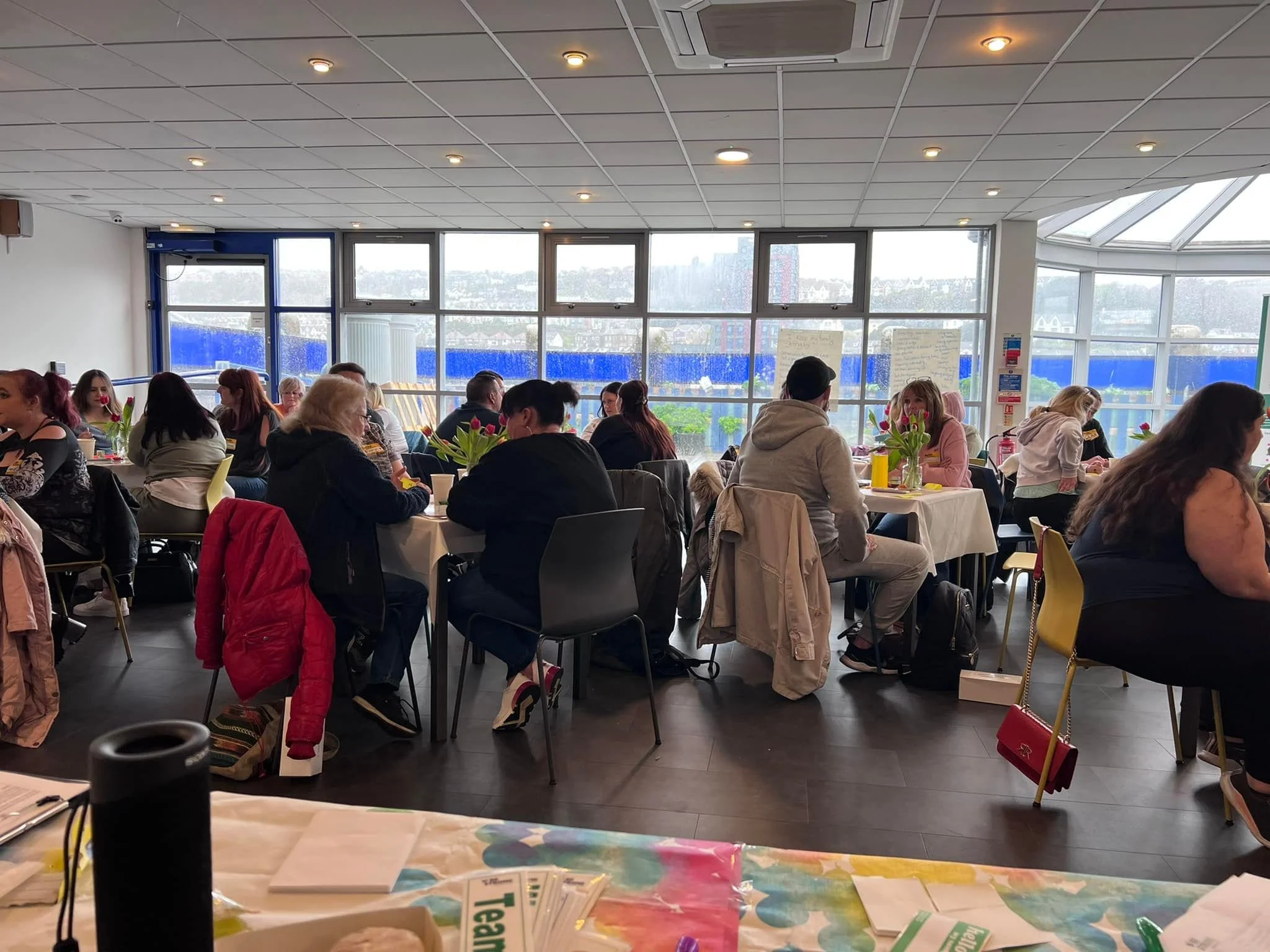
PAN has been running near-monthly Cafés since 2022. Alternating between Neath Port Talbot and Swansea, Cafés draw between 12 and 25 participants per session. April 2026 was their largest yet, with 35 in attendance.
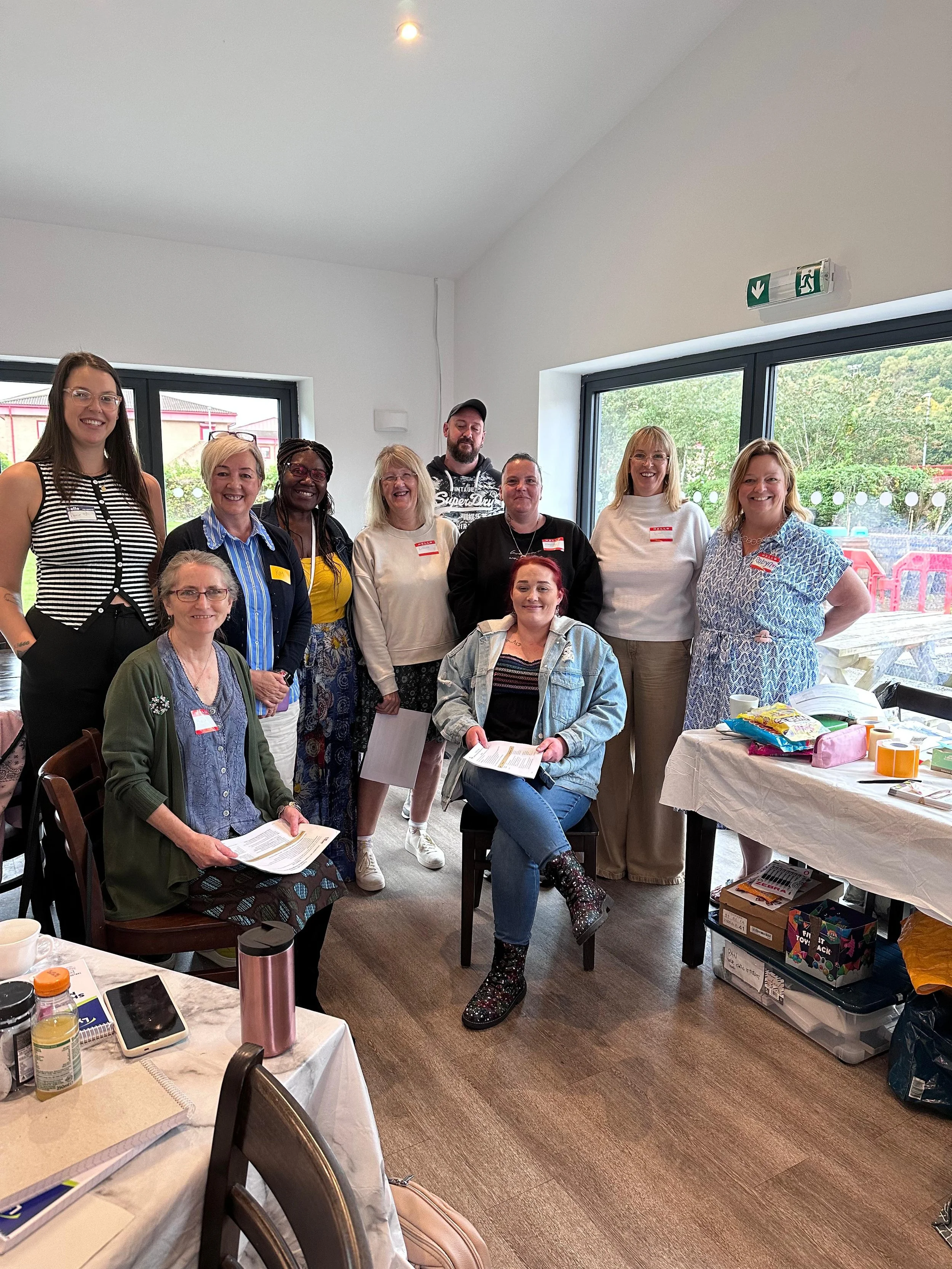
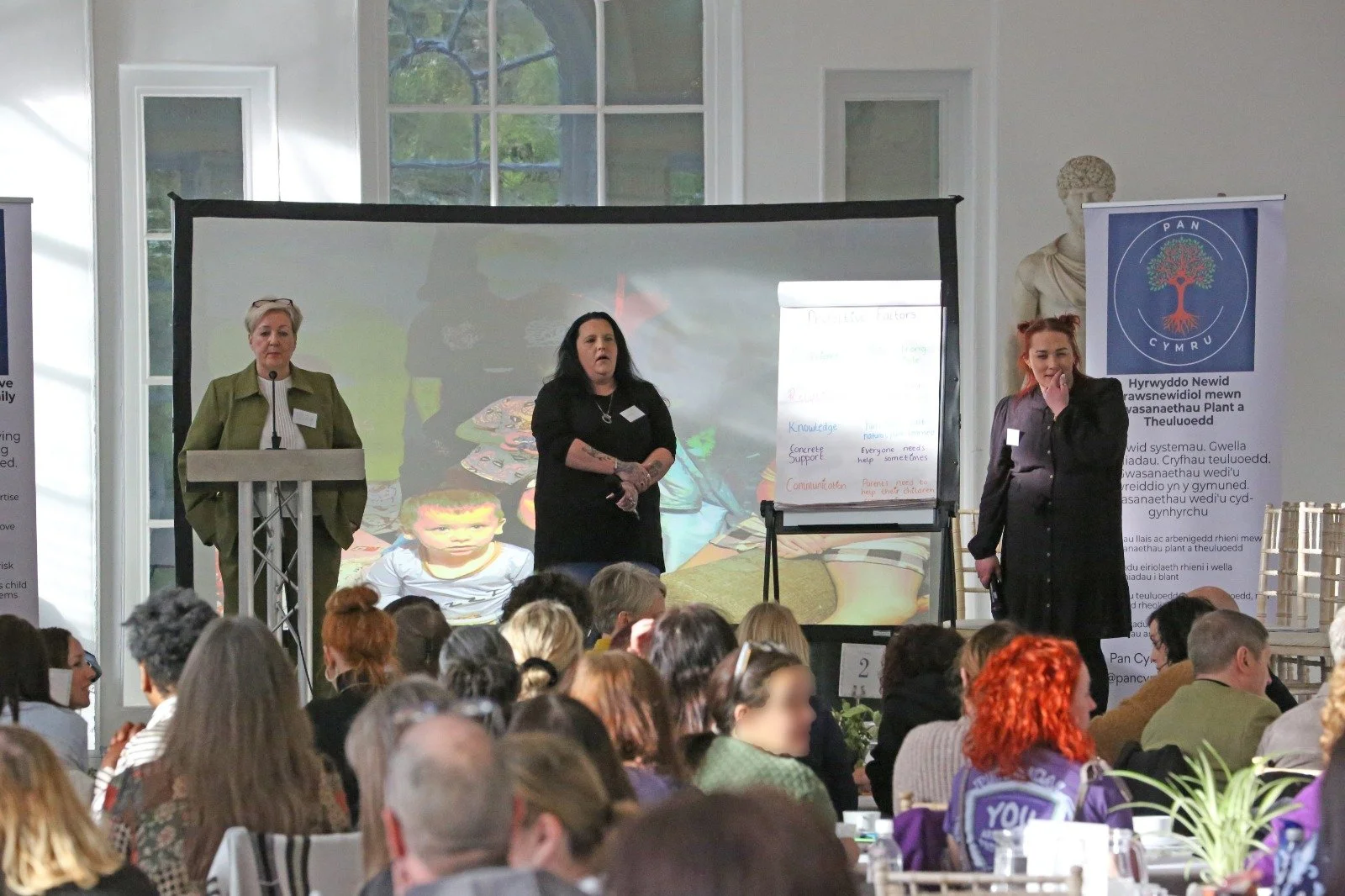
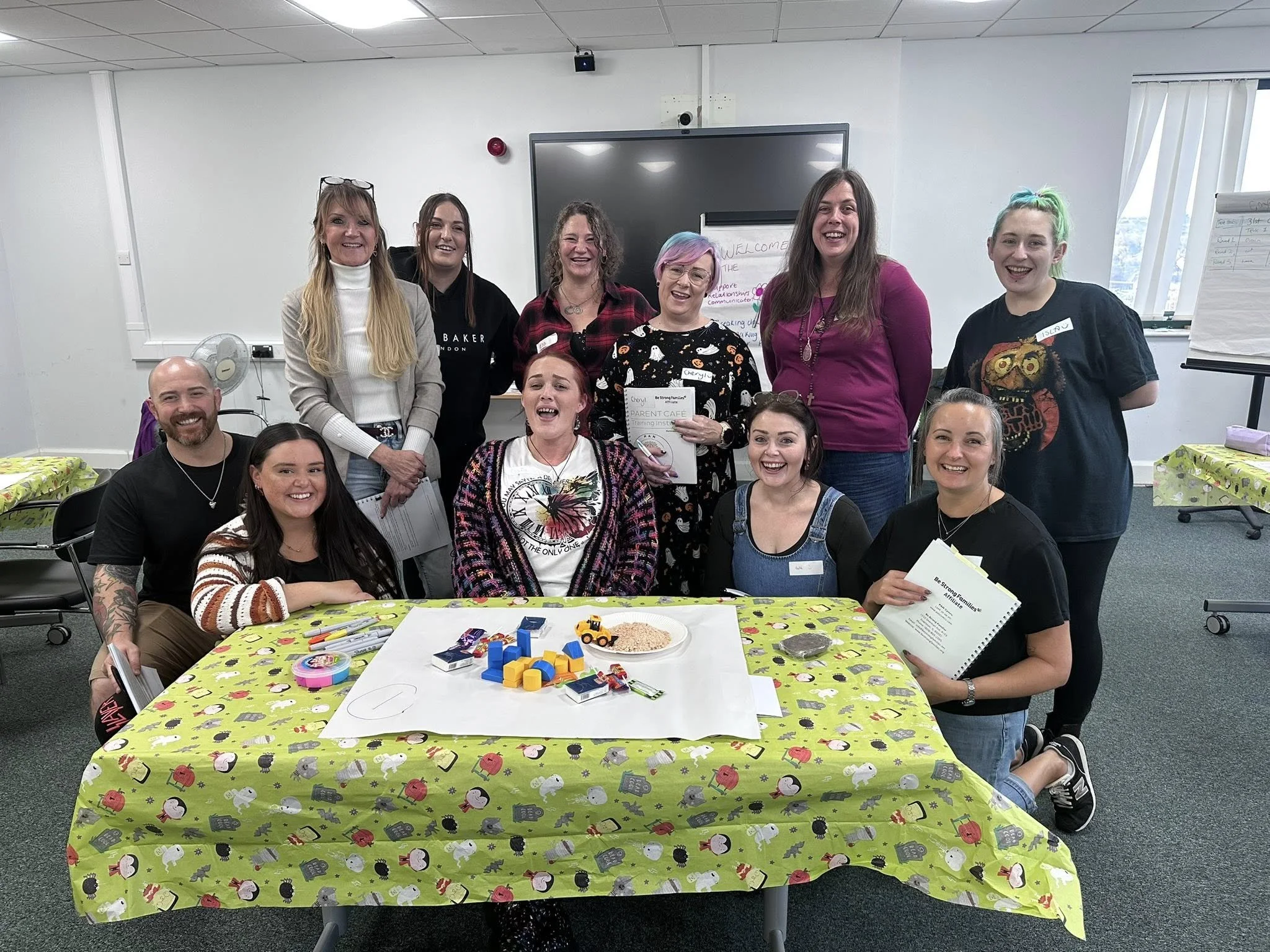
In 2024, Robyn and BSF Training Manager Tiffany Murphy traveled to Wales to train PAN parents and professionals in the Parent Café model. The materials were translated into UK-orientated English and into Welsh — important, especially in North Wales where Welsh is the first language — and a few cultural tweaks were made. But the core of what a Parent Café is and does? No translation necessary. In January 2025, PAN Cymru became Be Strong Families Wales — BSF's first-ever international affiliate. As an affiliate, PAN has committed to the fidelity of the model and taken on the responsibility of bringing it and adapting it to communities across Wales. BSF returned to train PAN's leaders as trainers, meaning PAN can now certify Café hosts at other organizations — building a path to financial sustainability that doesn't depend entirely on grants. The relationship is active and ongoing: BSF provides training, quality assurance, and consultation to help PAN scale with confidence.
"We've started to become recognized. We're a brand now, and we've got the backing of Be Strong Families. We've got limitless potential," says Fiona MacLeod.
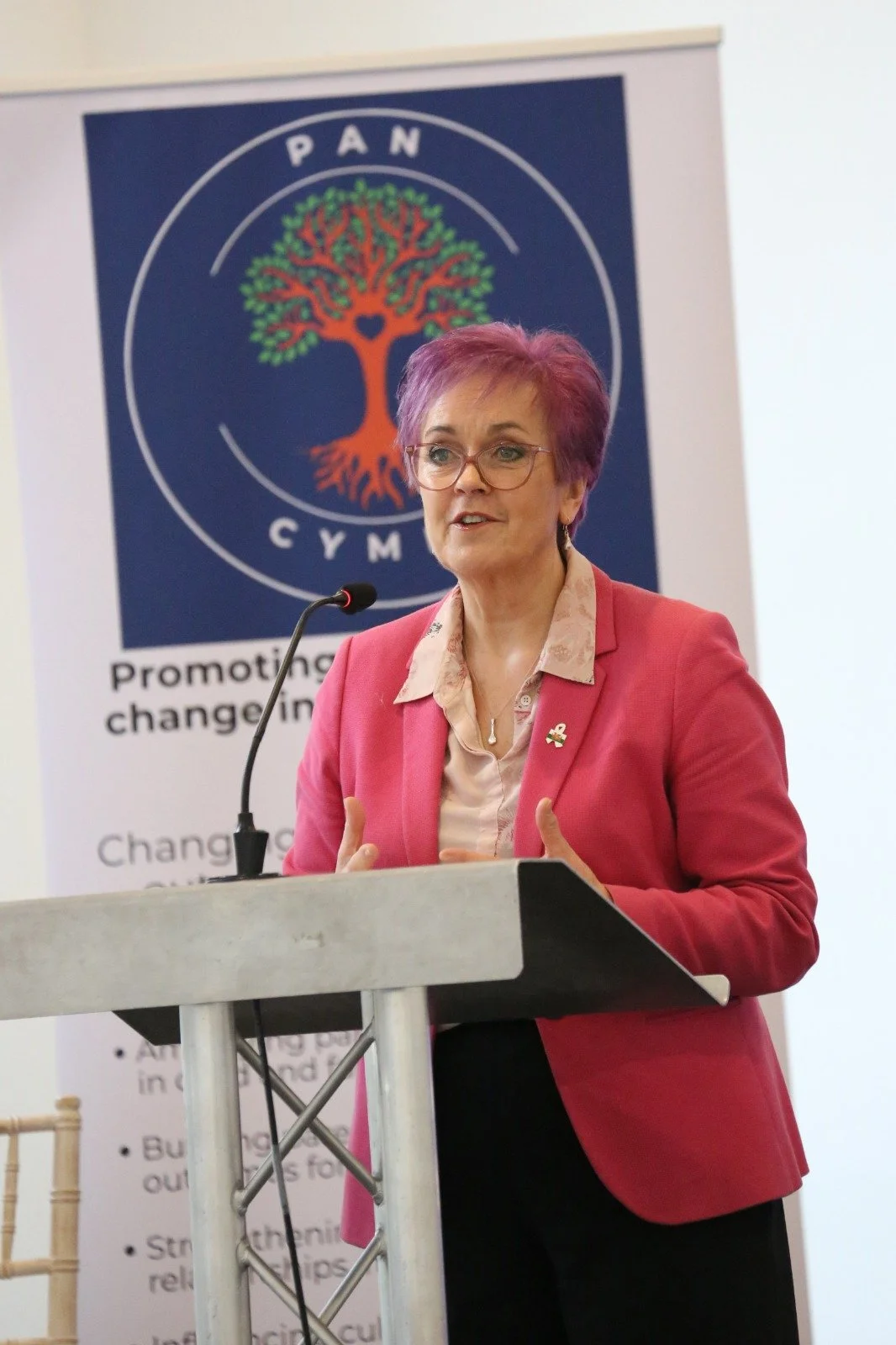
Certified hosts are now trained across Swansea, Pembrokeshire, Cardiff, and beyond. PAN also operates Vitality Cafés and Recovering Together Cafés, reaching even more families. In January 2026, the Minister for Children and Social Care, Dawn Bowden, announced a £133,600 grant to PAN Cymru for a national rollout of Parent Cafés across Wales.
Wales is the first, and the model is built to travel. And if Fiona MacLeod — a proud Scot — has anything to say about it, Edinburgh won't be far behind.
They are limitless indeed.
Be Strong Families is deeply grateful to the PAN Cymru team — Fiona MacLeod, Kim James, Sian Erickson, and the parent leaders who shared their stories — for their partnership, their trust, and their unwavering commitment to families in Wales. They have shown what's possible when professionals and parents work together and refuse to accept the status quo.
If you're a professional or organization interested in learning more about bringing the Parent Café model to your community, we'd love to hear from you. Reach out to Robyn Harvey, BSF's Director of Training, at robyn@bestrongfamilies.net to start the conversation.