
Our Blog
Join us in conversation about the topics we’re thinking about. How do you see it? What’s on your mind lately?
Meet us here to talk about all things central to creating transformative conversations, things that nurture the spirit of family, promote well-being and prevent violence.
























Words from our CEO
Get more sent to your inbox:
The Conversations We Need: An every-other-week LinkedIn newsletter offering practical guidance on having a variety of different meaningful conversations that strengthen families and communities.
Parenting in the Age of AI: A bi-weekly LinkedIn newsletter guide to helping families thrive in a tech-driven world, from digital literacy to navigating the benefits and challenges of AI with family members of all ages.
Search Our Blog
Sort by Category
The Latest

Where Do Jews Fit in DEI Conversations?
Where do Jews fit in DEI conversations? This blog explores the complexities of Jewish identity in diversity, equity, and inclusion spaces, challenging assumptions and addressing the erasure of Jewish voices. Through personal reflection and real-life stories, it examines how oversimplifications undermine the core values of DEI and calls for a more inclusive approach that honors all lived experiences. Dive in to uncover how we can evolve the conversation to truly embrace empathy, compassion, and the richness of our collective diversity.

Making America Great with DEI: Liberty and Justice for All
DEI isn't a political agenda. DEI is the work of living up to values we've been pledging allegiance to since kindergarten. BSF CEO Kathryn Leigh Goetz responds to high-profile DEI failures with a call to lead with love, create brave spaces, and remember that liberty and justice for all was always the point.

Racial Equity and DEI Work: A Dozen Dynamics that Hinder Collaboration
True collaboration in racial equity work is harder than it looks — and not always for the reasons we expect. BSF CEO reflects honestly on a dozen dynamics that create no-win situations, stall progress, and complicate even the most well-intentioned efforts toward equity and belonging.

Navigating Whiteness as an Ally and a Leader: Reflections on Identity, Privilege, Behavior, and Intent
Identity acknowledgment without behavior change is a dead end. BSF CEO Kathryn Leigh Goetz reflects honestly on what it means to lead as a white woman in racial equity work, and the difference between leading from privilege and leading as an ally.

Why Are Cafés So Great? - Empowering Communities Through Leadership and Reciprocity
Most family support is delivered by professionals, but Parent Cafés were designed to flip that model. We explore how Cafés shift the social service paradigm by putting parents in the lead, building confidence and real-world skills while creating the kind of reciprocal community support that no program can manufacture.

Why Are Cafés So Great? - How Cafés Promote Equity and Belonging
What happens when suit-and-tie bureaucrats sit down with parents from the south side of Chicago? Or when foster parents and birth parents share a table? Magic, according to BSF. We explore how Parent Cafés quietly disrupt bias, shift power dynamics, and create genuine belonging, one conversation at a time.

Why Are Cafés So Great? - Public Health Innovation and the Epidemic of Loneliness
Loneliness is a public health crisis, and Parent Cafés are part of the solution. We explore the connection between social isolation and family well-being, and why intentionally building social connections isn't just good for parents, it's good for all of us.

Why Are Cafés So Great? – Cafés and Healing Trauma
Interpersonal trauma is healed through corrective social experiences, which Parent Cafés were designed to create. In this installment of "Why Are Cafés So Great?", BSF CEO Kathryn Leigh Goetz makes the case for Cafés as a powerful, accessible space for healing trauma.

Why Are Cafés So Great? – Café as a Type of Therapeutic Mental Health Service
What if Parent Cafés are doing some of the same work as therapy and for some people, working even better? We explore the parallels between Cafés and conventional mental health services, and why peer-based community connection may be one of the most undervalued tools in the mental health toolkit.
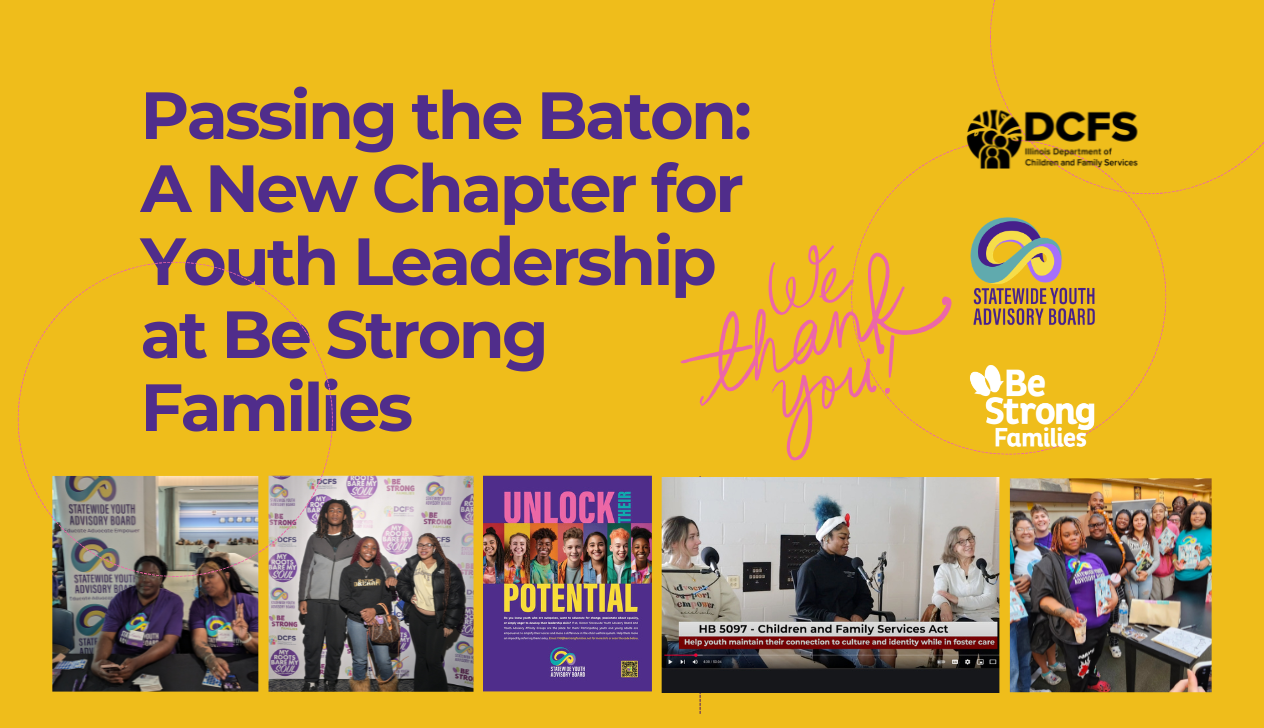
When we began this work more than a decade ago, I thought I was helping to build youth leadership.
I now understand that youth were helping to build mine.