
Our Blog
Join us in conversation about the topics we’re thinking about. How do you see it? What’s on your mind lately?
Meet us here to talk about all things central to creating transformative conversations, things that nurture the spirit of family, promote well-being and prevent violence.
























Words from our CEO
Get more sent to your inbox:
The Conversations We Need: An every-other-week LinkedIn newsletter offering practical guidance on having a variety of different meaningful conversations that strengthen families and communities.
Parenting in the Age of AI: A bi-weekly LinkedIn newsletter guide to helping families thrive in a tech-driven world, from digital literacy to navigating the benefits and challenges of AI with family members of all ages.
Search Our Blog
Sort by Category
The Latest

The Seed My Mama Planted
Greishen’s foster mom planted something in her before she even knew what to call it. Now, years later, she can name it: the Protective Factors, in their most human form. Greishen shares her honest, personal reflections about love, dementia, and why spaces like Parent Cafés matter for former youth in care.

New Protective Factors Resource for Children and the Adults Who Love Them
Be Strong Families is publishing an exciting new resource to assist parents with building Protective Factors with their children and in their families: it’s a coloring and activity book. It’s part of our Living the Protective Factors series — in it 5 children from very diverse cultural backgrounds navigate a week in their life building Protective Factors as they go…

Parent Café Evaluation Highlights
Since Be Strong Families (BSF) first pioneered the Parent Café approach in 2007, hundreds of programs In the US and internationally have adopted the approach, reaching thousands of parents and families through deep, personal conversations designed to facilitate transformation and healing. In 2019 we started the National Parent Café Evaluation Project to be able to share the impact of Parent Cafés. Fifty-five percent of our partners participated in the National Parent Café Project. The following are key trends in data collected in 2019, 2020, and 2021.

Why Parent Cafés? Spotlight on Help Me Grow and Goal Concordant Care
How and why do organizations that serve families use Parent Cafés as a strategy for parent engagement? Often, it’s to create a solid foundation of partnership between staff and parents and among the parents in a program to advance other programmatic initiatives. In 2022, Be Strong Families joined…

Increase in African American Teen Suicide and What Parents Can Do
Suicide attempts are declining among teens of every ethnic group — except African American youth, where rates are rising. A sobering look at the risk factors, the cultural barriers to care, and the concrete things parents can do to protect their kids, grounded in the Strengthening Families Protective Factors.

Making Friends with My Emerging Adult Child/Haciendo Amigos con Mi Hijo Adulto Emergente
When Sara Gonzalez's youngest left for college, she worried he wasn't ready. Turns out she was the one who wasn't ready to let go. Her reflection (in English and Spanish) on social connections, friendship, and watching a shy kid find his people is warm, honest, and deeply relatable.

Affirmation Reflection: Stay Open and Curious
I’m a big fan of affirming oneself; I believe that when we stand in our own truth, we unmask our inner greatness, our inner strength and our hidden gifts and potential. Recently, while reviewing the Be Strong Families Living the Protective Factors Affirmation Deck, I came across an affirmation card that spoke to me; it said, “Stay Open and Curious — When fear threatens, I concentrate on seeing more options and waiting for more possibilities to emerge.” It really made me reflect on the past few years, what I’ve learned and how I’ve changed.

What to Do When You Have Negative Feelings Toward Your Emerging Adult
Feelings like frustration, resentment, and disappointment—and yes, even hatred—toward your emerging adult is to be expected and a natural occurrence during parenthood. Unfortunately, this is an issue that is under-addressed in parenting advice or discussions and precisely why parents are reluctant to express such negative feelings out loud.
So, what can you do about these feelings?

Safety and Belonging: The Foundation for Healing in Parent Cafés
Two hours into a Parent Café on trusting relationships, two participants remarked it was the first time in weeks they had truly felt heard. A facilitator from The Matthews House in Colorado reflects on what safety and belonging make possible when parents are finally given space to tell their stories.
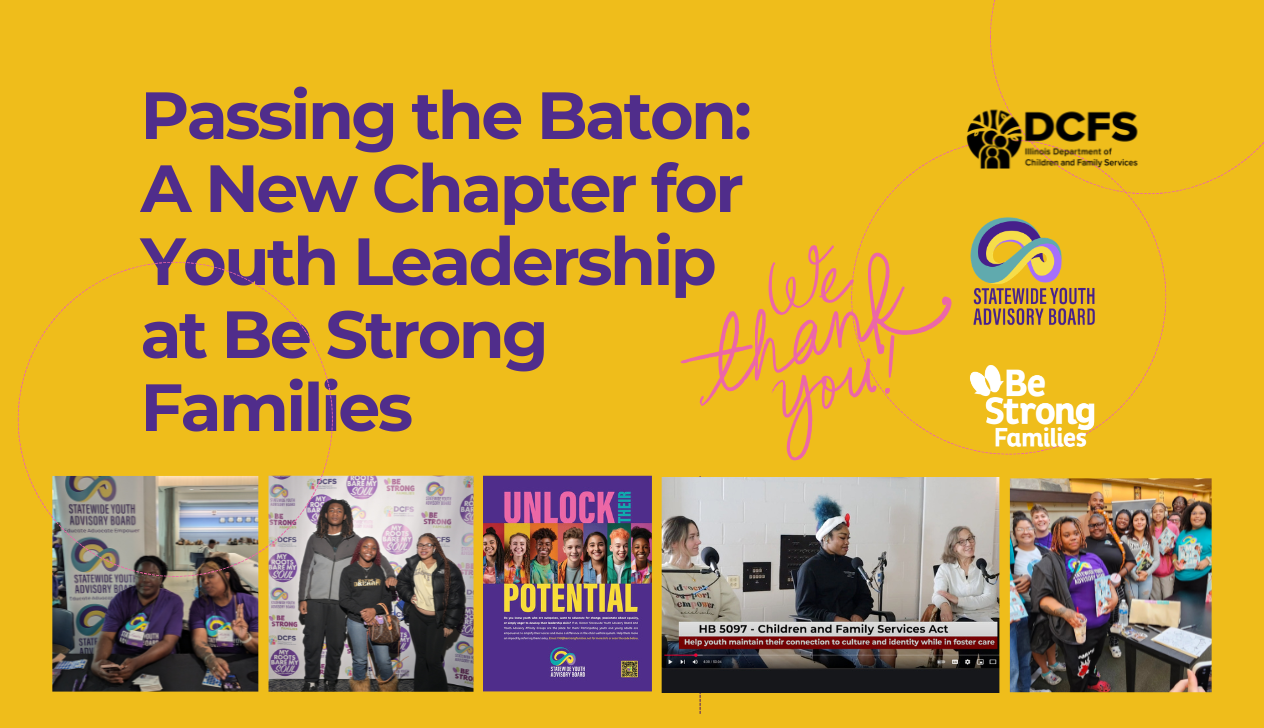
When we began this work more than a decade ago, I thought I was helping to build youth leadership.
I now understand that youth were helping to build mine.